Office Clearance in Plaistow
Office Clearance Plaistow provides a practical clearance service for workplaces that need desks, chairs, filing cabinets, monitors, storage units and mixed office contents removed in an organised way. The focus is on clearing commercial interiors cleanly and sensibly, with attention to access, separation of items and the different handling needs of reusable furniture, electrical equipment and general office clutter. Our service is designed for businesses that want a straightforward clearance plan rather than a disruptive strip-out.
We handle clearances for offices, workrooms, meeting areas, shared spaces and storage rooms where the contents have become difficult to manage. That can include everyday furniture, archived paperwork ready for secure handling, small office appliances and items that are no longer needed after a move, refit or rearrangement. The aim is to leave the space ready for its next stage while keeping the process orderly and commercially sensible. Careful sorting matters because not every item should be treated the same way.
When you are ready to arrange a quotation, it helps to think about the rooms involved, the main types of items to be cleared and any access details that affect loading. A short outline is often enough to start the process, and a more detailed description can follow if the clearance is larger or includes several areas. If you need a quote for office clearance in Plaistow, you can make a direct enquiry once you know the scale of the job.
Clearance planning for offices and workspaces
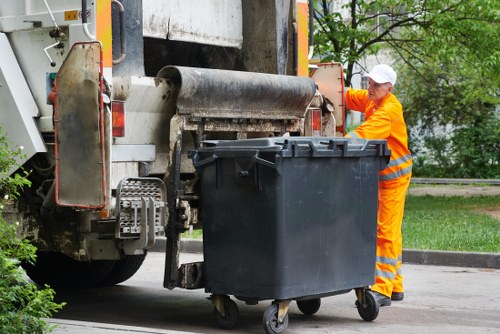
Good office clearance work begins with an accurate understanding of what is on site. Some jobs mainly involve surplus desks and chairs, while others include filing units, cabinets, reception furniture, shelving, room dividers and bulky equipment stored in corners or back rooms. The clearer the picture, the easier it is to organise a sensible order of removal and decide which items need extra care because of their size, condition or material type. This is especially useful in busy premises where access must remain workable for staff or visitors.
Commercial clearances also benefit from separating items into broad groups before removal starts. For example, reusable furniture may be moved differently from damaged fixtures, and electrical items may need to be kept apart from standard office waste. Paper records, archived folders and mixed paperwork should be considered carefully as well, because offices often contain documents that are no longer needed but still need orderly handling. Where a space contains several categories of content, a planned approach keeps the job efficient without making assumptions about what should be taken.
Typical office clearance work can include:
- desks, tables and workstations
- office chairs and visitor seating
- filing cabinets, cupboards and storage units
- shelving, partitions and reception furniture
- boxed items, small appliances and mixed commercial waste
Furniture removal and disposal options

Office furniture is often the largest part of a clearance because it takes space quickly and is awkward to move without planning. A sensible service looks at the shape, condition and quantity of each item so the removal can be carried out without unnecessary disruption. Items such as desks and conference tables may need to be dismantled, while chairs and lightweight storage pieces may be moved as complete units. The main purpose is to remove furniture in a way that suits the layout and the access available on site.
Furniture clearance can be relevant where the office contains items that are still serviceable, while damaged or worn-out pieces may be better suited to disposal routes that separate materials appropriately. That distinction matters because not every piece of furniture belongs in the same stream, and a commercial clearance should reflect the condition of the item rather than treating everything as identical. When a workplace is being reconfigured, this approach helps keep the process organised and avoids unnecessary handling.
Furniture jobs often run more smoothly when there is a clear understanding of stair access, lifts, corridors and loading points. These practical details affect how quickly larger items can be removed and whether they need to be carried in sections. If a room contains heavy cabinets, awkward corner desks or items stored behind other stock, it is usually best to mention that early. Simple access notes can make the quotation stage more accurate and reduce avoidable surprises on the day.
Waste streams often found in commercial premises
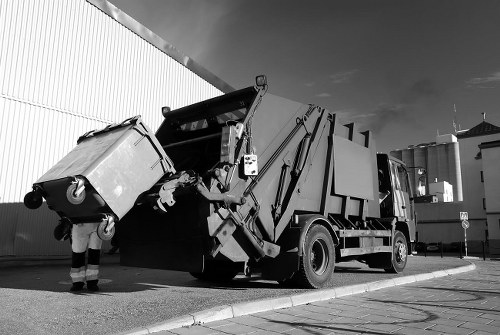
Office clearance is rarely limited to furniture alone. Many premises also generate mixed waste from refurbishments, relocations and day-to-day use, including broken office accessories, packaging, old fittings and miscellaneous stored items that no longer serve a purpose. A complete clearance service can deal with those extra pieces as part of the same job, provided they are described clearly at the start. That helps with sorting, loading and the choice of disposal route for different materials.
Some workplaces also need help with items that fall into separate categories, such as bulky waste from alterations or unwanted stock in storage areas. In those cases, a service may be grouped alongside other relevant options where appropriate, such as business waste removal for general commercial rubbish or waste removal for broader mixed loads. The best route depends on the actual contents rather than the label on the room, so a description of the site is more useful than a one-line headline.
For many customers, the key decision is whether the clearance should be organised as a single room task or as a broader premises job. A single office might be simple enough to clear in one visit, while a larger workplace may include storage, breakout areas and back-of-house rooms that need attention in sequence. The most helpful quotations reflect those differences and set out what is involved with enough detail to guide the next step.
Large or mixed clearances across premises
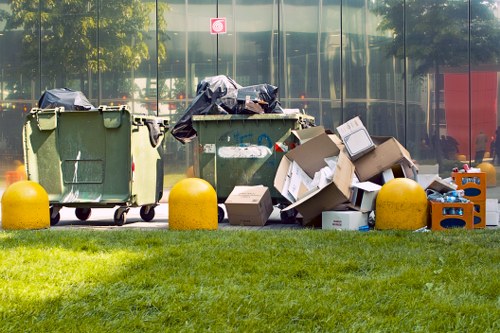
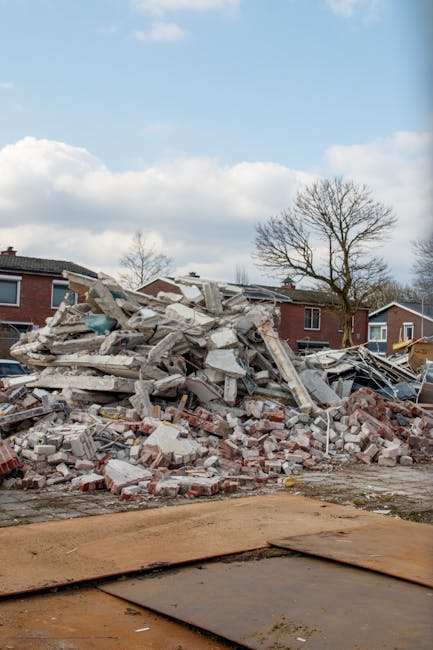
Some office clearances involve more than one part of a property, especially where there has been a move, reorganisation or long-term accumulation of items. A broader clearance may include reception areas, meeting rooms, storage cupboards, copy rooms and staff spaces, each with its own combination of furniture and waste. In those cases, the work is best approached as a coordinated project rather than a simple room emptying exercise, because the sequence of removal can affect access and efficiency.
Home clearance and house clearance are separate services, but the same general principle applies to premises with varied contents: the work goes more smoothly when the items are identified by type and the larger pieces are noted in advance. For office customers, this means identifying anything that is fixed, unusually heavy, fragile or awkwardly placed. It is also worth mentioning whether anything needs to stay on site, so the clearance team can work around retained items rather than assuming the room is empty.
A clear description of the premises also helps when the job involves multiple floors or different sections that cannot all be cleared at once. The more varied the site, the more useful it is to organise the work by room or by item group. That keeps the process orderly, protects usable items from accidental removal and makes it easier to plan the loading stage without wasteful repetition. Precision at the quoting stage is often the difference between a manageable clearance and a frustrating one.
Office clearance for storage rooms and archived areas
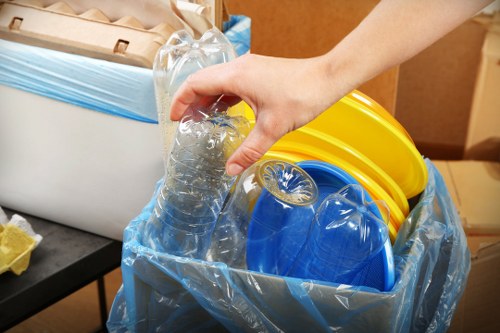
Storage rooms and archive areas are common in offices, and they often contain a mixture of old files, redundant equipment, spare stationery, packaging and furniture that was moved there temporarily and never returned. Clearing these spaces usually takes more than a quick sweep because the contents are layered, boxed and sometimes difficult to identify at a glance. A careful clearance removes what is no longer needed while leaving the room tidy enough for future use, repurposing or refurbishment.
Loft clearance and garage clearance may share some practical similarities with archive work, because each can involve difficult access, long-term storage and a mixed collection of objects. For an office, the useful question is not the name of the room but what the room actually contains and how the items are stored. That could mean boxed paperwork, redundant cabinets, old IT equipment, spare chairs or forgotten display units that have been occupying valuable space for too long.
When a storage area is part of the quotation, it is useful to mention whether the items are boxed, shelved or stacked loosely, because each arrangement affects handling. If the room includes fragile contents or records that should be separated from ordinary waste, that should be stated clearly as well. The more precise the description, the easier it is to shape the clearance around the space and the intended outcome. You can request a quotation once those details are ready.
About Plaistow
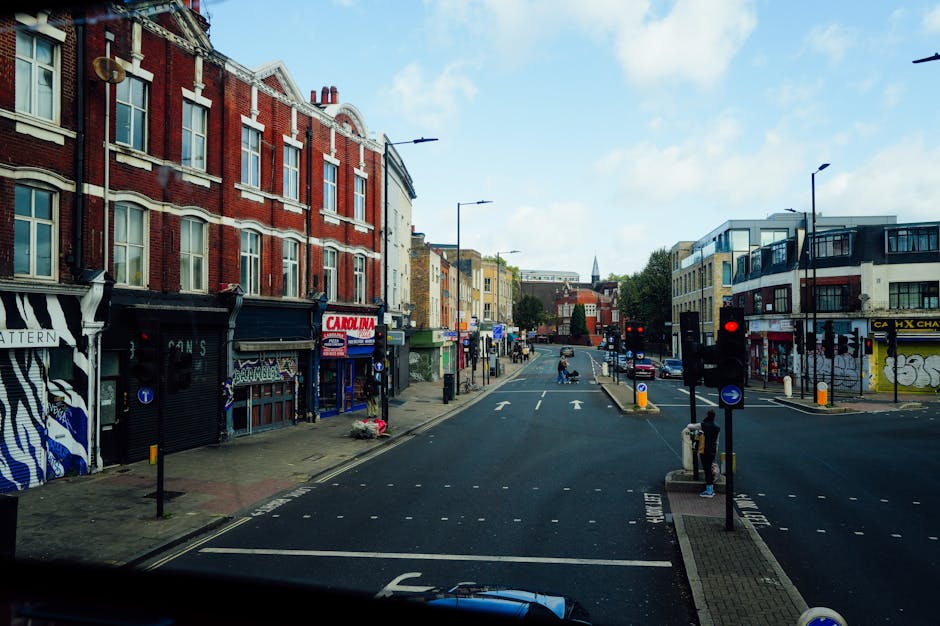
Plaistow is an area in the London Borough of Newham, in East London, with a long history shaped by suburban growth, industry and later regeneration. It lies within the larger fabric of the Lower Lea Valley and sits close to Stratford, West Ham and Canning Town, so it has long been connected to the transport and economic changes of the east of the city. The area grew significantly during the nineteenth century as London expanded eastwards, with streets, terraces and community facilities built to serve a rising population that was drawn by work opportunities and improved rail links. Over time, Plaistow became known for its dense residential pattern, local shopping streets and the everyday mix of homes, small businesses and civic buildings that characterise many inner-London districts. The built environment reflects that layered history, with later housing set alongside surviving older structures and public spaces. Among the local landmarks and notable places associated with the wider district are Plaistow Park and the green corridors that link the area to neighbouring parts of Newham. The local road pattern and underground and rail connections have also helped define its shape, making it part of a wider network rather than an isolated enclave. Plaistow’s identity has been influenced by successive waves of change, including post-war rebuilding and more recent investment across East London, while retaining the straightforward, lived-in character of a district with deep roots. In cultural terms, it remains part of the diverse social landscape of Newham, where community life, local services and neighbourhood facilities continue to play an important role in daily experience.
Pricing factors and quotation details
Clearance costs are usually shaped by the volume of items, the type of furniture or waste involved, the ease of access and whether the job includes awkward lifting, dismantling or sorting. A lightly furnished room is different from a storage-heavy office with cabinets, archive boxes and mixed equipment, so the quotation needs to reflect what is actually present. If the job includes several rooms, the total contents and access arrangements become even more important, because they affect labour, time and loading.
Pricing and quotes is a useful starting point when you want to understand how a clearance enquiry is assessed. The most helpful information usually includes the kind of property, the rooms involved, any large items, whether there are stairs or lifts and whether the contents include items that need special care. If the space is partially cleared already, that can also be worth mentioning, because it changes the amount of work required and may alter the most suitable way to organise the visit.
A well-prepared quotation does not need to be long, but it should be accurate enough to describe the main parts of the job. If you are unsure what to include, a short list of the main rooms and the obvious large items is often enough to begin. Clarity at this stage helps the process move forward more smoothly, and it gives both sides a better basis for agreeing the scope before any clearance begins.
Handling items with care and separating reusable materials
An office clearance often involves items that are not all destined for the same route. Some pieces may still be reusable, others may be suitable for material recovery and some may simply be ready for disposal. Good sorting helps prevent workable furniture and equipment from being treated as ordinary waste, and it supports a more disciplined outcome for the customer. That is especially relevant when the office contains branded reception furniture, specialist desks or items with mixed materials that should not be grouped too quickly.
Recycling and sustainability is relevant where customers want to understand how items may be separated after collection, while insurance and safety matters when the work involves heavy lifting, stairs or tight access. These pages can help explain the principles behind responsible handling, but the clearance itself still depends on the exact contents and the physical layout of the premises. If an office includes electrical items, timber furniture, plastics and paperwork, the more practical question is how to organise those streams sensibly.
Responsible handling is not just about sorting at the end. It starts with noticing which items are fragile, which need dismantling and which should be removed first to create space for everything else. In a busy commercial environment, that kind of judgement helps protect the room, the retained contents and the people moving through the space. It also keeps the process focused on the actual work rather than on assumptions about what a clearance should look like.
Making the enquiry straightforward
To request a quotation, it is useful to outline the rooms involved, the main categories of items and any access issues such as narrow stairways, parking limits or shared corridors. If there are items that must remain in place, it is sensible to mention them clearly so the scope is understood from the outset. A brief description is often enough to start, and a more detailed note can follow if the office contains storage areas, archived material or larger furniture.
For a direct next step, you can use contact us to send the details of your office clearance in Plaistow. If you would like to compare the scope of the work with what is offered across the site, office clearance gives a focused view of the main service, while about us provides background on the wider business pages that sit alongside it. The most useful enquiries are the ones that say what needs removing, what should stay and how the space is arranged.
When you are ready, send the outline and ask for a quotation in plain terms. That keeps the conversation efficient and gives a clear basis for planning the removal. We welcome enquiries for office clearance in Plaistow, especially where the work needs to be organised around furniture, storage rooms or mixed commercial contents. Plain information is often the quickest route to a sensible response.