Barking Road and E13: Fast Junk Clearance Options
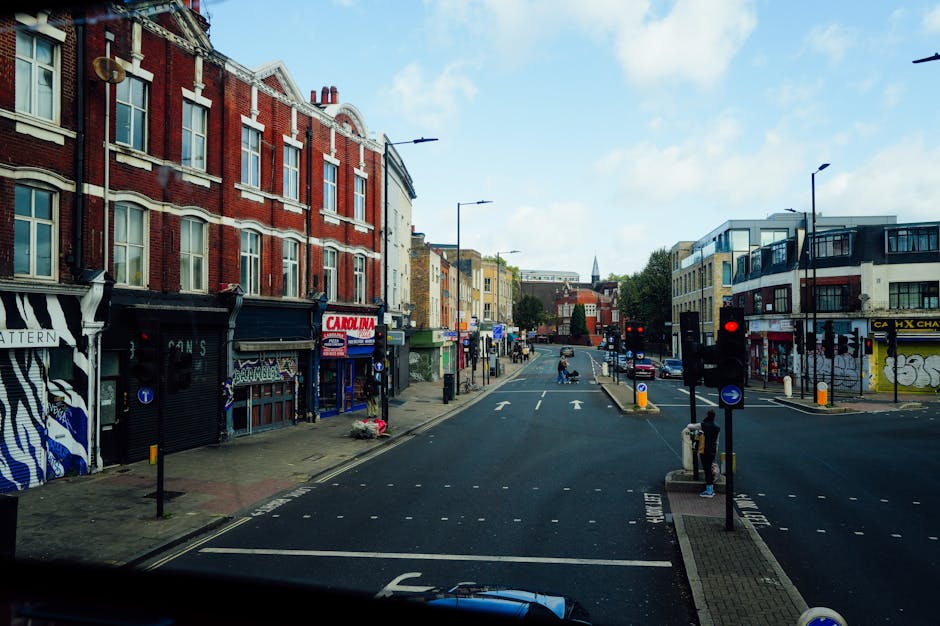
If you live, work, or manage a property around Barking Road and the wider E13 area, junk has a habit of building up at the worst possible time. One minute it's a broken wardrobe, a sagging sofa, or a few bags after a clear-out; the next, the hallway feels smaller, the garden looks untidy, and you're wondering how to get it sorted quickly without making a mess of the rest of the week. That is exactly where Barking Road and E13: Fast Junk Clearance Options come in: practical, same-day-friendly ways to remove unwanted items with as little disruption as possible.
This guide breaks down how fast clearance usually works, what options are worth considering, where the risks are, and how to choose a service that actually saves time. No fluff. Just the useful stuff, with a bit of local realism thrown in.
Why Barking Road and E13: Fast Junk Clearance Options Matters
Barking Road and the surrounding E13 neighbourhoods are busy, lived-in parts of East London. That matters because clearance jobs here are rarely happening in a wide-open driveway with unlimited time. You may be dealing with terraced streets, narrow access, parking pressure, shared entrances, flats above shops, or a property where the clutter itself is making movement difficult. In that setting, speed is not a luxury. It is often the difference between a manageable job and a stressful one.
Fast junk clearance also matters for very ordinary reasons. A flat move that got delayed. A tenant leaving behind bulky items. A garage packed with old appliances. A garden full of broken fencing after a storm. Sometimes the room is not even that full, but one large item is enough to block the day. Let's face it, a single broken treadmill can feel like a small domestic monument to procrastination.
There is also the practical side of neighbourhood presentation. On a road as active as Barking Road, clutter left outside for too long can create eye-sore issues, attract complaints, and make a property less appealing if you are preparing to sell, rent, or hand keys back. Quick clearance helps restore order quickly, which is often what people need most.
For businesses, the pressure can be even higher. Offices, shops, salons, and hospitality spaces cannot always afford a drawn-out clearance process. When stockroom items, old office furniture, or packaging waste begin to pile up, fast removal protects workflow and keeps the place looking professional. If that is your situation, a service such as office clearance can be a sensible starting point.
Expert summary: Fast junk clearance in E13 is not just about removing rubbish quickly. It is about reducing disruption, keeping access safe, avoiding neighbourhood friction, and getting a property back to normal without wasting time on repeated trips or half-finished sorting.
How Barking Road and E13: Fast Junk Clearance Options Works
Most fast junk clearance jobs follow a fairly simple pattern, though the quality of the experience depends on how well the job is planned. In general, the process starts with a brief description of what needs to go. That might be furniture, white goods, general household junk, renovation debris, or mixed waste. A good provider will usually ask a few practical questions about access, volume, item type, and whether anything needs special handling.
After that comes the estimate. With clearance work, the quote often depends on how much space the waste takes up, how heavy it is, whether the team needs to carry items down stairs, and whether there are any awkward pieces that need dismantling. You do not always need to know exact measurements, but it helps if you can send photos. In real life, photos save a lot of back-and-forth. A snapped picture of a garage corner or a pile of broken furniture is often worth ten vague descriptions.
Once the job is booked, the clearance team arrives, checks the load, confirms access, and gets to work. For fast turnaround jobs, the key is preparation. Items that are already grouped together and easy to reach tend to go much quicker than scattered clutter spread across several rooms. If parking is tight, making arrangements in advance can also speed things up considerably.
The actual removal process is usually straightforward, but the details matter. Bulky furniture may need to be carried carefully through narrow hallways. Mixed waste may need to be separated for responsible disposal. Reusable items may be diverted from landfill where possible. Good operators work efficiently without turning the property upside down, which is really what most people want.
If you are clearing more than one area at once, it may be worth combining services. For example, a property with a loft full of old boxes and a garage full of broken equipment may benefit from a broader loft clearance or garage clearance approach rather than booking separate visits.
Key Benefits and Practical Advantages
The biggest benefit of a fast clearance option is obvious: you get your space back sooner. But there are a few other advantages that are easy to underestimate until you actually need them.
- Less stress: clutter creates visual pressure. Once it is gone, the room feels calmer almost immediately.
- Fewer delays: a quick turnaround is useful when you are moving, letting a property, or dealing with a deadline.
- Safer access: blocked hallways, stacked bags, and unstable furniture can create trips and awkward lifting hazards.
- Cleaner finish: a proper clearance service does more than shift items; it leaves the space usable.
- Better planning: when removal is fast, you can move on to decorating, repairs, or cleaning without losing momentum.
There is a real difference between "taking things away eventually" and clearing a space properly. Fast junk clearance is about momentum. It is also about avoiding the slow drip of clutter that turns a weekend job into a month-long annoyance.
Another practical advantage is flexibility. Some jobs are simple. Others are not. A mixed clearance after a refurbishment, for example, may involve wood offcuts, old shelving, packaging, and a few damaged household items. A provider used to builders waste clearance can usually handle that mix more smoothly than a general end-of-road collection arrangement.
Who This Is For and When It Makes Sense
Fast junk clearance is useful for a lot more people than you might expect. It is not just for emergency clear-outs or dramatic hoarding situations. More often, it is for ordinary people with ordinary time pressure.
You may need it if you are:
- moving house and need items gone before handover
- clearing a flat after tenants leave behind furniture or rubbish
- emptying a garage, loft, shed, or spare room
- refreshing a rental or selling a home and want the place to look tidy
- replacing office furniture or stockroom items
- dealing with garden waste after trimming, pruning, or repairs
- sorting through a long-overdue family declutter
It also makes sense when the job is bigger than a normal council bin cycle can realistically handle. A few bin bags? Fine. A sofa, mattress, broken shelving, and a pile of mixed waste? That is a different story. And if you are trying to move things around with children underfoot, or while a neighbour is waiting for access to a shared passage, you will notice the value of speed very quickly.
Sometimes people wait because they think the job should be "easy enough to deal with later." Fair enough, we all do it. But later has a way of arriving right when the weather turns, the move date appears, or the room is needed for something else. That is usually when a fast clearance option starts to make perfect sense.
For households rather than business premises, services such as house clearance or home clearance can be helpful when the task is broader than one room or one item.
Step-by-Step Guidance
If you want the smoothest possible clearance, a little preparation goes a long way. Here is a practical way to approach it.
- Identify everything that needs to go. Walk through the space and separate what is definitely leaving from what needs a final decision. Do not mix those two if you can avoid it.
- Check access. Look at stairways, door widths, parking, permits, lifts, and whether anything is too large to carry in one piece.
- Take clear photos. A few pictures of the items and the access route usually help with quicker, more accurate quoting.
- Ask what the service can take. Some items may need special handling, especially electricals, fridges, paint, or sharp materials.
- Choose a time window that suits the site. If you live on a busy stretch of Barking Road, traffic and parking can affect arrival timing. Give yourself a bit of breathing room.
- Group items together. If safe to do so, place the junk in one area so the team can load it efficiently.
- Keep essentials separate. It sounds obvious, but passports, keys, chargers, documents, and medication can get buried during a rush.
- Confirm the final scope before work begins. That avoids awkwardness later and helps keep the job cleanly priced.
One small but useful tip: label anything that must stay. A roll of tape and a marker pen can prevent a lot of confusion. People laugh at that until the wrong box is half-lifted into the van. Then nobody's laughing much.
If the job involves furniture, it may also help to split the planning into item types. For example, items that can be reused or donated should be separated from damaged pieces. That makes the process smoother and can support better disposal outcomes. If furniture is your main issue, a dedicated furniture clearance or furniture disposal service may be the cleanest route.
Expert Tips for Better Results
The fastest clearance jobs are rarely the ones where people do the most frantic rushing. They are the ones where the job is made easy to complete. Small bits of preparation matter more than most people realise.
Tip 1: Treat photos as part of the quote. Good pictures cut misunderstanding. Try to show the whole item, not just a close-up of one corner. Include stairs, parking constraints, and anything awkward. A picture of a three-seater sofa in a tight upstairs landing says a lot more than "big sofa upstairs."
Tip 2: Be honest about item condition. If something is water-damaged, broken, very heavy, or possibly contaminated, say so early. It is better for the provider and better for you.
Tip 3: Put time pressure in plain language. If you need the clearance before a tenancy check-out or a delivery slot, say that clearly. Rushed jobs can still be done well, but only if the schedule is understood from the start.
Tip 4: Ask what happens after collection. Responsible services usually think about reuse, recycling, and lawful disposal. You do not need a lecture, just a clear answer. Good firms tend to have a tidy process, and a tidy process usually means fewer surprises.
Tip 5: Do not over-sort unless it helps. Some pre-sorting is useful, but there is a point where it becomes more work than benefit. If you are spending hours deciding which old chair goes in which pile, it may be time to stop and just get the clearance done.
Tip 6: Plan for mixed waste if the site is not simple. Many properties around E13 are not single-purpose spaces. A garage may hold tools, old furniture, broken planters, and renovation leftovers all in one corner. If so, choosing a broader waste removal option can be the most efficient path.
Common Mistakes to Avoid
Most clearance problems come from avoidable mistakes, not complicated ones. The good news is that once you know what to watch out for, the job gets easier.
- Leaving it until the last minute. Same-day jobs are possible, but if access is tricky or the load is large, last-minute panic makes everything harder.
- Underestimating the volume. People often think "just a few bits" and then discover there is a small mountain hiding behind the wardrobe.
- Forgetting access details. Tight staircases, limited parking, and upper-floor flats can change the whole plan.
- Not separating valuables. Documents, keys, cash, and sentimental items sometimes hide in drawers and bags. Check first.
- Assuming every item is standard waste. Some things need extra care or different disposal pathways.
- Choosing only on price. The cheapest option is not always the quickest, safest, or cleanest. A fair quote from a reliable team usually beats a bargain that turns messy.
A small real-world observation: the jobs that go badly are often the ones where no one has looked behind the furniture. It sounds silly, but the back of a cupboard can hold paperwork, cables, and all sorts of bits that people only remember once the room is already half-empty.
Tools, Resources and Recommendations
You do not need a van, a warehouse, or a professional organiser's colour-coded filing system to get a clearance done properly. But a few simple tools make the process a lot smoother.
- Phone camera: useful for taking quote photos and documenting what stays or goes.
- Marker pen and labels: ideal for tagging keep items during a quick turnaround.
- Gloves: sensible for dusty lofts, sheds, and old furniture.
- Tape measure: helpful when something looks too large for a stairwell or doorway.
- Basic torch: especially handy in lofts, cellars, and behind units where dust and poor light hide surprises.
On the service side, it is worth reviewing how a company presents its pricing, safety, and disposal approach. A clear pricing and quotes page, for example, can help you understand what is usually included before you book. You may also want to check a provider's recycling and sustainability approach if you care about reuse and waste reduction, which many people do now, quite rightly.
For peace of mind, policy pages can matter too. A clear health and safety policy and insurance and safety information help show that the work is being handled professionally rather than thrown together in a hurry. That is especially relevant in shared buildings or properties with awkward access.
Law, Compliance, Standards, or Best Practice
Junk clearance in the UK is not something to be casual about. You do not need to become a waste expert, but it helps to know the basics.
First, waste should be handled responsibly and taken to appropriate disposal or recovery routes. If a job includes items such as electricals, fridges, or materials that may be hazardous, they should be dealt with carefully and not just treated like regular household rubbish. If you are unsure, ask before the job starts. That simple question can prevent a bigger headache later.
Second, it is good practice to use a service that can explain how waste is managed. You are not asking for a lecture on the life cycle of every broken chair. Just a straight answer about collection, sorting, recycling, and disposal. Clear answers usually reflect clear systems.
Third, access and lifting safety matter. Narrow staircases, heavy items, awkward corners, and wet outdoor areas can all create real risks. Professional teams should work in a way that reduces damage and injury risk, not increase it. That is one reason it is worth paying attention to safety credentials rather than assuming "they'll be fine."
Fourth, be careful with documents and personal data. If you are clearing an office, a home office, or an old filing cabinet, confidential paperwork should be separated before disposal. A quick check now is better than a very awkward discovery later. Honestly, that part is not glamorous, but it matters.
If you need broader business support, business waste removal can be useful where the job crosses from ordinary clutter into recurring or larger-scale commercial waste handling.
Options, Methods, or Comparison Table
Not every clearance job needs the same approach. Some are simple enough to handle with a helper and a few trips. Others really do call for a proper service. Here is a practical comparison.
| Option | Best for | Strengths | Limitations |
|---|---|---|---|
| Self-clearance | Very small loads, easy access, flexible timing | Can be cheaper if you already have transport and time | Physical effort, parking trouble, disposal rules, multiple trips |
| Man and van style collection | Mixed household waste, furniture, quick tidy-ups | Fast, convenient, fewer moving parts | Needs accurate description and access planning |
| Dedicated room or property clearance | Lofts, houses, flats, offices, garages | Best for larger, more complex jobs | May cost more than a simple collection |
| Specialist waste removal | Builders debris, garden waste, business waste | More suitable for specific waste types | Less flexible if the waste mix is broad |
The right method depends on time, access, item type, and how much lifting you want to do yourself. In practical terms, if the job feels like it might turn into a whole afternoon with sore arms and a lot of swearing under your breath, a fast professional clearance is probably the cleaner choice.
Case Study or Real-World Example
Here is a realistic example from the kind of job people in E13 often face. A two-bedroom flat just off Barking Road needed to be emptied before a tenancy changeover. The main problem was not just volume; it was timing. A bulky sofa, a broken desk, several bags of mixed household junk, and a pile of old shelving all had to go before the next day's handover.
The property had narrow stairs, limited parking, and only a small window of time when access was easiest. The occupier had already separated personal belongings, which helped a lot. Photos were sent in advance, the access route was explained clearly, and the team could plan around the stairs and parking before arriving. That bit of prep made the difference.
When the clearance happened, the load was moved in a tidy sequence: lighter items first, bulky furniture second, then smaller mixed waste last. Nothing dramatic. Just steady, organised work. By early afternoon, the flat was clear, the hall felt open again, and the final sweep-up meant the space was ready for cleaning. Job done. The owner could move on without carrying the clutter into another week.
That kind of result is pretty normal when the planning is decent. Not every job has a dramatic backstory. Often it is simply a matter of clearing space before life gets busier, which, to be fair, is most of the time.
Practical Checklist
Use this checklist before booking fast junk clearance in Barking Road or E13. It keeps things simple.
- List every item that needs removing
- Separate keep items from clearance items
- Take photos of the waste and the access route
- Check stairs, lifts, parking, and entry points
- Ask whether any items need special handling
- Confirm timing if you have a deadline
- Group items together where safe and practical
- Remove valuables, paperwork, and personal items first
- Ask about recycling and disposal expectations
- Make sure someone is available if access needs to be granted
- Do a final walk-through before the team leaves
Quick reminder: a ten-minute prep can save an hour of avoidable hassle. Sometimes more.
Conclusion
Fast junk clearance around Barking Road and E13 is really about making a tricky job feel manageable. Whether you are clearing a flat, a garage, an office, or a mixed pile of unwanted items, the best outcome usually comes from simple things done well: clear access, honest descriptions, sensible timing, and a provider that knows how to move quickly without cutting corners.
If you focus on planning, safety, and the right disposal method, you will save time and reduce stress. And that is the real point, isn't it? Getting your space back without turning the whole thing into a project you dread.
Get a free quote today and see how much you can save.
When the clutter goes, the room tends to feel bigger, lighter, and a bit easier to breathe in. That's a good feeling, every single time.
Frequently Asked Questions
What counts as junk clearance on Barking Road and in E13?
It usually includes removing unwanted household items, furniture, appliances, mixed rubbish, garden waste, or office clutter from properties in the area. The exact scope depends on the provider and the type of waste.
How fast can a junk clearance usually happen?
That depends on access, item type, and schedule. Small jobs can sometimes be arranged very quickly, while larger or more complex clearances may need a bit more coordination. Photos help speed this up.
Is same-day clearance realistic?
Yes, sometimes it is. Same-day clearance is more realistic when the waste is clearly described, access is straightforward, and the team has availability. The earlier you ask, the better.
Do I need to sort everything before the team arrives?
No, not usually. It helps to separate keep items from clearance items, but you do not need to bag, label, or sort every single thing unless that makes the job easier. A little preparation is enough.
Can old furniture be removed too?
Yes. Sofas, wardrobes, tables, beds, shelving, and similar items are commonly removed during clearance jobs. If you have a lot of furniture, a dedicated furniture clearance option may be useful.
What if I only have a few large items?
That is still worth arranging. A few bulky items can be harder to move than a lot of small ones, especially if stairs or tight access are involved. The job may be quicker than you think.
How do I know if my waste needs special handling?
If the items include electrical appliances, damaged materials, liquids, or anything unusual, mention it when requesting a quote. If you are unsure, ask directly. It is better to clarify early than guess.
Is junk clearance suitable for flats and upper floors?
Yes, but access details matter more. Stairs, lifts, narrow landings, and parking can affect the timing and method. A good provider will want to know these things before arrival.
What should I do with paperwork before a clearance?
Keep confidential documents separate and remove anything personal or sensitive before the team arrives. This is especially important for offices, home offices, and old filing cabinets.
Will the clearance team recycle anything?
That depends on the items and the provider's process, but responsible services usually try to separate reusable or recyclable materials where possible. If that matters to you, ask before booking.
How can I make the job cheaper or quicker?
Clear access, accurate photos, and grouping items in one place all help. Also, be honest about what is being removed. Clear information usually leads to a smoother, more efficient job.
What is the difference between waste removal and full clearance?
Waste removal often refers to collecting and taking away a load of rubbish or mixed junk. Full clearance usually means clearing a room, property, or defined area more completely, sometimes including bulky furniture and leftover items.
Is it worth booking a clearance for a garden or garage only?
Absolutely. These spaces often become dumping grounds for broken tools, old furniture, and awkward waste. A focused clearance can make a surprisingly big difference to the whole property.