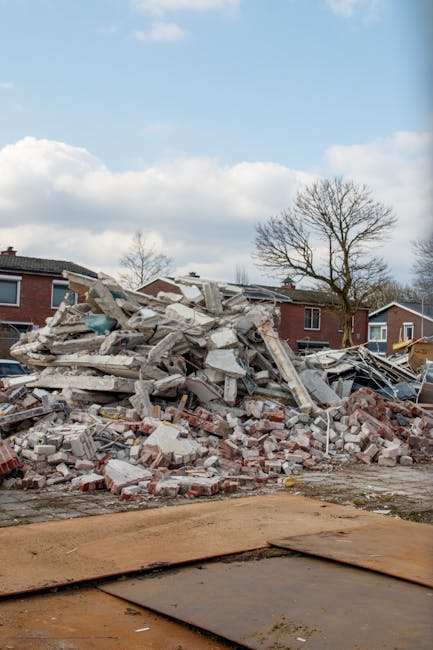
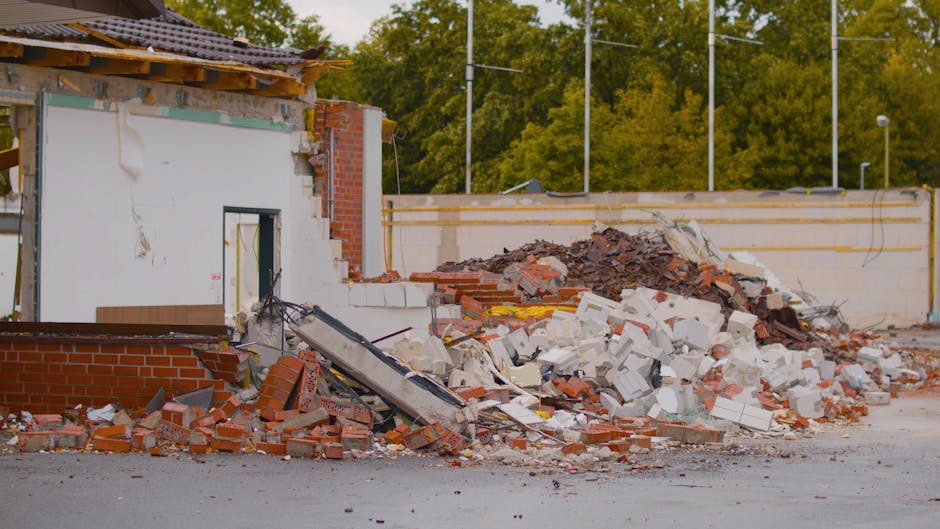
Do I need a permit to remove building waste in Plaistow?
If you are staring at a pile of rubble, broken plasterboard, old timber, or a half-demolished kitchen and wondering, do I need a permit to remove building waste in Plaistow?, you are asking the right question. The short answer is: sometimes yes, sometimes no, and the answer depends on how the waste is being moved, where it is being stored, and who is handling it.
That sounds annoyingly vague, doesn't it? Truth be told, building waste is one of those things that can look simple right up until you get into skips, street placement, licensed carriers, and local rules. If you live in Plaistow, or you're working on a project there, this guide breaks it all down in plain English so you can avoid fines, delays, and the classic "we'll sort it later" mess that somehow becomes your weekend.
We'll cover when a permit is likely needed, how the process usually works in London-style local settings, what best practice looks like, and how to choose the safest, least stressful route for your project. You'll also get a practical checklist, a comparison of common removal methods, and a few real-world tips that can save time and hassle.
Table of Contents
- Why permit questions matter for building waste in Plaistow
- How the process usually works
- Key benefits and practical advantages
- Who this is for and when it makes sense
- Step-by-step guidance
- Expert tips for better results
- Common mistakes to avoid
- Tools, resources and recommendations
- Law, compliance, standards, or best practice
- Options, methods, or comparison table
- Case study or real-world example
- Practical checklist
- Conclusion
- Frequently asked questions
Why Do I need a permit to remove building waste in Plaistow? Matters
Building waste is not the same as general household rubbish. It often includes heavier, messier, and sometimes sharper materials such as bricks, plaster, tiles, timber, metal, insulation, bathroom fittings, soil, and mixed demolition debris. That changes the way it can be collected, moved, and disposed of.
The permit question matters because a lot can go wrong in the small print. If waste is placed on a public road, pavement, or other council-controlled land, a permit may be required. If you use a skip, the skip company may need to arrange that. If you are loading waste into a van and taking it away yourself, the permit issue may be less about the route and more about whether the carrier is authorised and the waste is handled properly.
In a place like Plaistow, where streets can be busy and parking can be tight, the practical side matters too. A skip dropped outside a terrace on a narrow road is not just a waste issue; it is a traffic, access, and neighbour issue. And yes, sometimes that is where the drama begins. Nobody enjoys a cone, a blocked driveway, and a passive-aggressive note through the door.
Expert summary: The main question is not just "is there waste?" but "how is it being stored, moved, and removed?" If the waste touches public space or requires controlled disposal, permit and compliance checks become essential.
How Do I need a permit to remove building waste in Plaistow? Works
The exact answer depends on the removal method. In practice, there are usually three common scenarios.
1. You load the waste yourself and take it away
If you are using your own vehicle, the permit question is not usually about the rubbish leaving your property. Instead, the key issues are whether the waste is transported legally and whether the receiving site accepts that type of material. Heavy construction debris, plasterboard, and mixed rubble can be awkward to move safely. A small van filled too high with broken masonry is not a clever shortcut. It's a sore back waiting to happen.
2. You hire a skip or container
This is where permits most commonly come into play. If the skip sits entirely on private land, such as a driveway or forecourt, you may not need a council permit. If it needs to go on the street, on a pavement, or anywhere public access is affected, a permit is often required. The skip provider may handle the application, but do not assume that automatically. Ask.
3. You use a waste removal service
With a man-and-van or full-service building waste removal, the operator usually loads and transports the waste in one visit. That can reduce the chance of needing a permit because nothing is left on the road. Still, compliance matters. The operator should be able to explain how the waste will be carried, where it will go, and whether the waste transfer is properly documented.
So, do you need a permit? Sometimes the answer is yes, especially for street-based skip placement. But the smarter question is: what method gives you the cleanest route through the rules with the least disruption? That's where the real value is.
Key Benefits and Practical Advantages
Getting the permit and removal approach right is not just about avoiding trouble. There are real practical advantages.
- Less risk of enforcement issues: If your skip or waste setup is correctly authorised, you reduce the chance of delays, complaints, or fines.
- Better site safety: Properly managed waste keeps walkways clear and lowers trip and cut risks.
- Smoother project flow: When waste is removed on time, trades can work faster and the site stays usable.
- Cleaner neighbour relations: Nobody likes seeing rubble spread across a shared access point for three days straight.
- More accurate planning: Knowing whether a permit is needed helps you schedule the job properly, especially if materials must be removed in phases.
There is also the underrated benefit of peace of mind. You stop second-guessing yourself. That alone is worth something, especially if you are already juggling plaster dust, trades arriving late, and a kettle that somehow always boils right when someone needs the loo.
Who This Is For and When It Makes Sense
This issue comes up for a surprisingly wide range of people. It is not just builders and contractors. In fact, some of the most common questions come from homeowners doing a one-off refit and assuming building waste can be treated like a normal clear-out. It can't, not always.
You may need to think about permits and proper waste handling if you are:
- renovating a kitchen or bathroom
- knocking down internal walls or stripping out plaster
- replacing a roof or removing old timbers
- clearing rubble after a garden or outbuilding project
- managing waste from a small building contractor job
- working on a property where driveway space is limited
- trying to avoid leaving waste on the street for longer than necessary
It makes especially good sense to check permit requirements if access is tight, the project is in a terraced street, or the volume of waste is bigger than a few black bags. A lot of people only realise this after the skip lorry has arrived. Not ideal.
If your project is modest, you may simply need an efficient collection. If it is larger, the permit question should be part of the planning stage, not a last-minute panic.
Step-by-Step Guidance
Here is a practical way to approach building waste removal without making it more complicated than it needs to be.
- Identify the waste type. Separate rubble, timber, metal, plasterboard, soil, and mixed waste where possible. Some materials require different handling.
- Estimate the volume. A few bags is one thing. A full room strip-out is another. Estimating the volume helps you decide between a skip, a collection service, or multiple loads.
- Check where the waste will be stored. If the container or skip must go on public land, permit questions move up the priority list.
- Ask the provider how permits are handled. Good providers should tell you whether they arrange the permit, what you need to supply, and how long approval usually takes.
- Confirm waste carrier details. Anyone taking away building waste should be able to explain how it is transported and disposed of responsibly.
- Plan the timing. If the waste needs to go quickly, choose a method that avoids unnecessary waiting. A slow collection can hold up an entire job.
- Keep evidence. Save receipts, transfer notes, or job records where applicable. That paper trail matters more than people think.
If you are unsure at step two or three, pause there. That is usually the point where a quick check saves the most money and stress later.
Expert Tips for Better Results
After years of seeing waste jobs go smoothly and, occasionally, go a bit sideways, a few habits stand out.
Keep waste streams separate where practical
Mixed waste is harder to sort and can be more expensive to manage. If you can separate timber, metal, soil, and rubble, you may improve efficiency and make the job simpler from the start. It does not have to be obsessive. Just sensible.
Measure access before you book
Width, height, turning space, overhead cables, and parking restrictions all matter. One awkward gate or low branch can change the whole plan. A tape measure and a two-minute look outside can prevent a very annoying day.
Think about loading order
Heavy waste should go in first, lighter bulky items later. That helps with stability and makes better use of space. It sounds obvious, but you would be surprised how often this goes wrong when people are tired and covered in dust by 4 p.m.
Ask about permit timing early
If a permit might be needed, do not leave it to the day before. Allow time for processing, especially if the waste container needs to go on the road.
Do a quick neighbour check if space is tight
If your project affects shared access or street parking, a bit of warning can prevent complaints. A friendly heads-up often saves a lot of awkwardness later.
Small tip, but a good one: photograph the waste area before and after removal. It helps with records, and if anything goes missing or gets disputed, you have a basic visual trail.
Common Mistakes to Avoid
Most problems with building waste removal are not dramatic. They are just avoidable. Which is frustrating, because avoidable problems are the ones that sting most.
- Assuming every skip needs the same treatment: A private driveway placement is not the same as a road placement.
- Forgetting that building waste is heavier than it looks: A small pile of rubble can become a very heavy load very quickly.
- Using an unlicensed carrier: If your waste is handled badly, you may still have questions to answer even if you did not tip it yourself.
- Leaving waste where it blocks access: This can create neighbour complaints and safety issues.
- Mixing hazardous or restricted materials with general waste: Some items need special handling, and mixing them can complicate disposal.
- Booking too late: Last-minute waste plans often cost more and work worse. That's just the truth of it.
One of the most common mistakes, oddly enough, is treating waste removal as the final step. It usually needs to be planned alongside the project itself, not after it. That little shift makes everything calmer.
Tools, Resources and Recommendations
You do not need a mountain of equipment to deal with building waste well, but a few tools and habits make a noticeable difference.
- Measuring tape: Useful for checking access, skip placement space, and waste volume.
- Heavy-duty gloves: Helpful when handling sharp or dusty materials.
- Dust sheets and sacks: Keeps the site neater and reduces scattered debris.
- Wheelbarrow or rubble tub: Useful for moving waste safely over short distances.
- Basic camera on your phone: Good for records, site condition photos, and keeping track of the job.
- Clear labels or separate piles: Helps if you are sorting recyclable material from mixed waste.
When choosing a removal approach, look for clear explanations rather than vague promises. A good provider should be able to tell you what they collect, how they handle permits if needed, and what happens if access is difficult. If they sound slippery before the job begins, that is rarely a good sign.
If you are comparing options, you may also want to look at related home and site-clearance support. For wider property clean-up work, a useful starting point is domestic rubbish removal services when the project extends beyond just rubble and debris. For mixed clear-outs around a flat, house, or renovation, rubbish clearance support can be a practical complement to building waste handling. And if the job is bigger and more structured, general waste removal options may help you plan the logistics more cleanly.
Law, Compliance, Standards, or Best Practice
When people ask about permits, they are often really asking: "How do I stay on the right side of the rules without becoming a legal expert?" Fair question.
In the UK, waste must be handled responsibly. That generally means using proper carriers, keeping waste separated where practical, and making sure it ends up at an authorised facility. For building waste, that becomes especially important because the materials are often heavier, bulkier, and more varied than ordinary household rubbish. Even a small job can produce waste that needs careful handling.
Permit requirements are usually tied to the location of the waste container or skip, not just the fact that waste is being removed. If public space is involved, assume there may be extra steps. If everything stays on private land and is collected directly, the permit question may be simpler. But do not guess. Check.
Best practice usually includes:
- confirming whether the skip or container will sit on public or private land
- using a properly authorised waste carrier
- keeping a record of collection and disposal
- avoiding overfilled containers that create spill or transport risks
- separating restricted items where required
There is also a basic duty of care principle in waste handling: if you produce the waste, you should take reasonable steps to make sure it is passed to someone who can deal with it properly. That is not just bureaucracy. It protects you, the street, and the people handling the material.
Options, Methods, or Comparison Table
If you are still deciding how to remove building waste, this comparison can help you choose a practical route.
| Method | Best for | Permit likely needed? | Strengths | Trade-offs |
|---|---|---|---|---|
| Private skip on driveway | Homes with space on-site | Usually no, if fully private | Convenient, good for ongoing jobs | Needs room and good access |
| Road-side skip | Tight homes with no driveway | Often yes | Simple for bigger loads | Requires permit and street space |
| Man-and-van removal | Quick clear-outs, mixed waste | Usually not for placement, but compliance still matters | Fast, flexible, less visible on the street | May need careful timing and loading |
| Self-haul in a vehicle | Smaller volumes, DIY jobs | Usually no permit for removal itself | Flexible, immediate | Hard work, limited capacity, disposal rules still apply |
For many Plaistow properties, the deciding factor is space. A driveway changes everything. If you have one, your options are wider. If you do not, the permit question becomes more likely to matter. Simple as that.
Case Study or Real-World Example
Imagine a small flat renovation near a busy Plaistow street. The project includes a bathroom strip-out, old tiles, a few broken cabinets, and some plasterboard. At first glance, it looks manageable. Then the waste starts piling up in bags by the front door, and the builder realises the road outside is narrow, with limited parking and regular traffic.
There are a few ways that job could go.
If they book a road-side skip without checking permit requirements, the project could stall. If they leave rubble and boards stacked at the kerb for too long, neighbours might complain. If they try to take everything in a small vehicle, the job may drag out over several trips and become more expensive in time than expected.
The better approach would be to estimate the waste early, check whether a permit is needed for any road placement, and decide whether a direct removal service or private-land skip would be cleaner. That way the team works from a plan, not from a pile of dust and guesswork.
That kind of planning is not flashy, but it works. And in real life, boring and organised usually beats exciting and chaotic.
Practical Checklist
Use this quick checklist before you remove building waste in Plaistow:
- Have you identified the main waste types?
- Have you estimated the volume realistically?
- Will anything sit on public land, even briefly?
- Do you know whether a permit is needed for a skip or container?
- Have you confirmed who arranges the permit if one is required?
- Have you checked the waste carrier is properly authorised?
- Are any restricted or awkward materials included?
- Is the access route clear for loading or collection?
- Have you planned where the waste will go and when?
- Do you have photos or records for your own peace of mind?
If you can tick most of those off, you are in good shape. If not, pause and sort the weak spots now. It is much easier than fixing a mess later.
Conclusion
So, do I need a permit to remove building waste in Plaistow? Sometimes yes, sometimes no, but the key factor is usually how and where the waste is stored and collected. If a skip or container needs public-space access, a permit is often part of the process. If everything stays private and the waste is removed directly, the answer may be simpler. Either way, the safest route is to plan early, ask clear questions, and choose a method that fits the site rather than forcing the site to fit the method.
The good news is that building waste removal does not have to be a headache. With a bit of planning, the right disposal method, and a sensible check on permit requirements, you can keep the project moving without unnecessary stress. That alone makes the whole job feel lighter.
Get a free quote today and see how much you can save.
And if you are still at the planning stage, take it step by step. A calm, tidy site has a way of making everything else feel more manageable.
Frequently Asked Questions
Do I need a permit for a skip on my driveway in Plaistow?
Usually, if the skip stays fully on private property such as your driveway, a permit is often not needed. The key is that it must not overhang or sit on public land. If access is tight, double-check before booking.
Do I need a permit to remove building waste from my house myself?
Usually not for the act of removing it yourself, but you still need to transport and dispose of it properly. The waste carrier or disposal site rules still matter, especially for heavy construction debris.
What counts as building waste?
Typical building waste includes bricks, rubble, plasterboard, timber, tiles, metal, soil, old fixtures, and mixed demolition debris. It is different from normal household rubbish because it is often heavier and may need special handling.
Who usually arranges the permit if one is needed?
In many skip hire arrangements, the provider may handle the permit application, but that is not guaranteed. Always ask directly. Better to sound nosy for two minutes than regret it for two weeks.
How long does it take to remove building waste in Plaistow?
That depends on the volume, access, and method used. A direct collection can be quick, while skip-based projects may depend on permit timing and how fast the container is filled.
Can I put mixed rubble and wood in the same load?
Sometimes yes, depending on the service and disposal route, but separating materials where possible is usually better. Mixed loads can be less efficient and sometimes cost more to manage.
What happens if I put a skip on the road without a permit?
That can lead to problems with local enforcement, complaints, or removal delays. The exact outcome depends on the situation, but it is not something worth gambling on.
Is a man-and-van service better than a skip?
It depends on the job. A man-and-van service can be better for quick clearances or sites with poor parking. A skip can suit bigger jobs that need ongoing loading over several days.
How do I know if a waste removal company is legitimate?
Ask how they handle transport and disposal, whether they can explain their process clearly, and whether they provide proper paperwork. If the answers are vague, that is a warning sign.
What if I only have a small amount of building waste?
If it is just a little rubble, a few broken tiles, or a small amount of timber, a direct collection or small-load option may be more practical than a full skip. Sometimes the smallest jobs need the most common sense.
Can building waste be left outside until collection day?
Only if it is safely contained and does not block access, create hazards, or sit in a place where permits or local rules apply. Leaving loose debris outside is usually a bad idea.
What should I ask before booking building waste removal?
Ask whether a permit is needed, who arranges it, what materials are accepted, how the waste is transported, and whether the price includes disposal. Those five questions cover a lot of ground.