Plaistow High Street rubbish removal guide for shop owners
If you run a shop on Plaistow High Street, rubbish has a habit of building up at the worst possible moments. A few broken boxes near the till, a delivery pallet that nobody wants to deal with, old display stock taking over the back room... and suddenly your tidy unit feels cramped and harder to work in. This Plaistow High Street rubbish removal guide for shop owners is here to make the whole process simpler, safer, and a lot less stressful.
Whether you manage a convenience store, a salon, a take-away, a charity shop, or a small independent retailer, the basics are the same: keep the space clear, stay on the right side of local rules, and avoid waste becoming a customer-facing problem. Let's face it, nobody wants to step around a black bag pile before 9 a.m. This guide walks through what matters, how rubbish removal usually works, what to watch out for, and how to choose the most practical route for your business.
Table of Contents
- Why this matters for shop owners on Plaistow High Street
- How rubbish removal works in practice
- Key benefits and practical advantages
- Who this is for and when it makes sense
- Step-by-step guidance
- Expert tips for better results
- Common mistakes to avoid
- Tools, resources and recommendations
- Law, compliance, standards, or best practice
- Options, methods, or comparison table
- Case study or real-world example
- Practical checklist
- Conclusion
- Frequently Asked Questions
Why Plaistow High Street rubbish removal guide for shop owners Matters
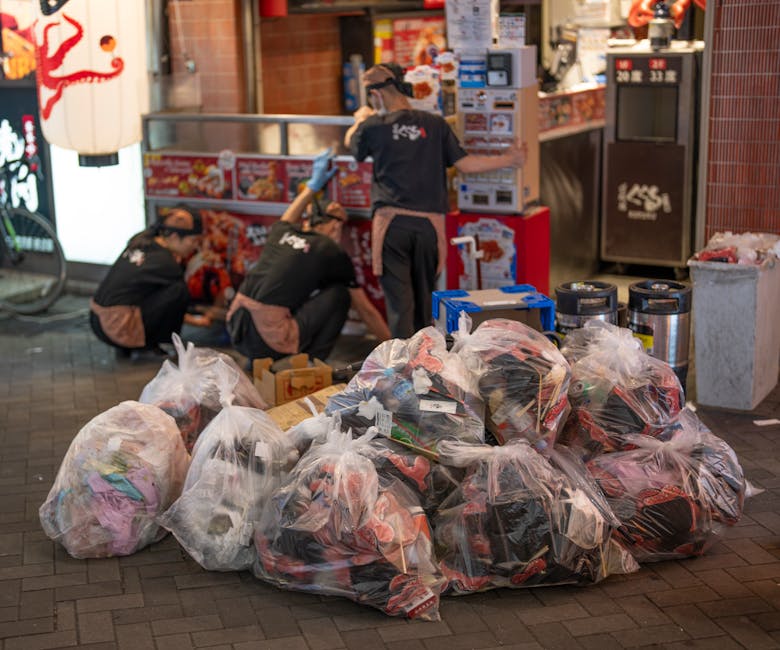
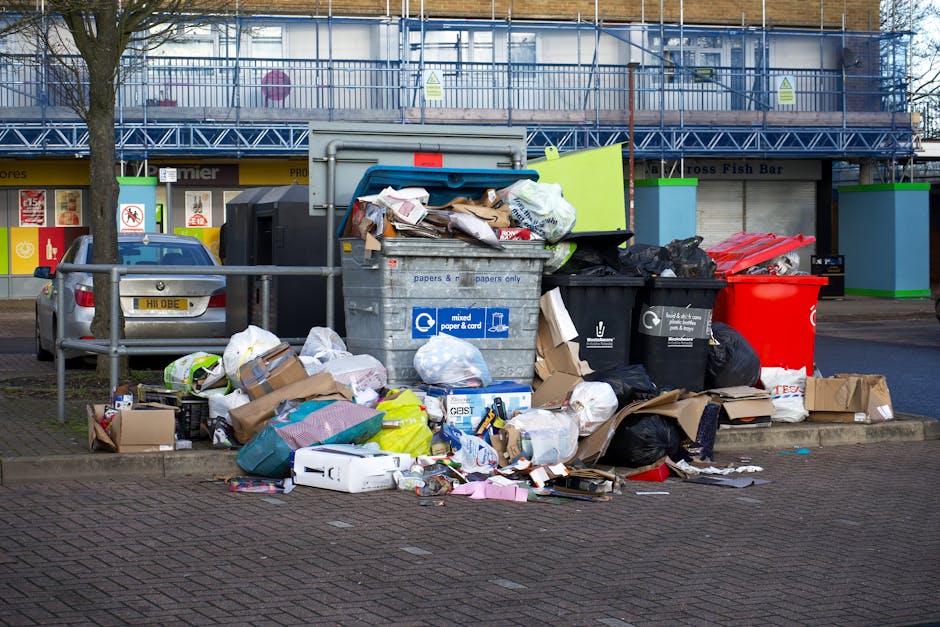
Shop waste is not just "stuff to get rid of". It affects how your business looks, how customers move through the space, how staff work, and whether your shop feels organised or chaotic. On a busy high street, waste can also become a public-facing issue very quickly. A blocked rear entrance, overfilled bins, or a pile of cardboard outside for too long can create complaints, attract pests, and make deliveries harder than they need to be.
For shop owners, rubbish removal is part of day-to-day operations, not an occasional clean-up task. A smart approach keeps stock rooms usable, prevents trip hazards, and helps you react faster after refits, seasonal changeovers, or a burst of deliveries. It also supports a better customer experience. People notice clutter. They may not mention it, but they notice.
There's another side to it too: reputation. A clean frontage gives off the right signal. It says you care, you're organised, and your standards are solid. That matters whether you sell clothes, groceries, hardware, beauty products, or food. Sometimes the difference between "fine" and "good business" is just how calmly you handle the unglamorous stuff.
Expert summary: The best rubbish removal plan for a Plaistow High Street shop is usually the one that keeps storage areas clear, avoids front-of-shop mess, and fits around your opening hours without creating extra admin.
How Plaistow High Street rubbish removal guide for shop owners Works
In practical terms, rubbish removal for a shop usually follows a simple cycle: identify what needs to go, separate it if needed, move it to a safe holding area, and arrange collection or clearance. The exact method depends on the type of waste and how much of it you've got.
Most shops deal with a mix of cardboard, packaging, old shelving, damaged stock, broken fittings, office waste, and sometimes bulky items like fridges, counters, or worn-out furniture. Each category may need a different handling approach. Cardboard can often be flattened and bundled. Broken display units may need dismantling. Electrical items, depending on what they are, should be treated with extra care. Old chairs, cabinets, or waiting area furniture might be better handled through furniture clearance or furniture disposal if they are beyond reuse.
For business owners, one common decision is whether to manage the waste internally or use a professional service. Internal handling can work for lighter, routine waste. But once you have bulky items, large volumes, awkward access, or time pressure, a dedicated team becomes the easier choice. If you also operate from a back office or stockroom that needs regular clearing, it may be worth looking at business waste removal as a broader ongoing solution.
In a lot of real situations, the process is not dramatic at all. A shop might call for clearance after a refit, at the end of a lease, during a pre-Christmas reset, or simply because the back room has become impossible to navigate. Nothing fancy. Just everyday retail reality.
Key Benefits and Practical Advantages
Good rubbish removal does more than create a cleaner floor. It changes how the shop operates.
- More usable space: Stockrooms become easier to work in, and staff spend less time moving things around.
- Better customer presentation: A cleaner frontage and tidier interior feel more professional.
- Safer working conditions: Less clutter means fewer trip hazards, fewer blocked paths, and fewer awkward lifting jobs.
- Less staff stress: Nobody enjoys constantly shifting rubbish out of the way. It gets old fast.
- Faster reset after change: Seasonal merchandising, small refurbishments, and delivery peaks are easier to manage.
- Improved waste handling: You can sort recycling, reusable items, and general waste more sensibly.
There's also a quieter benefit that is easy to overlook: mental clarity. A cramped back area can make every task feel more difficult than it is. Clear the waste, and suddenly the room feels bigger, calmer, and more manageable. Strange how that works, but it does.
For businesses that generate mixed waste, it can also help to understand the difference between occasional clearance and regular waste handling. If your shop has recurring rubbish build-up, waste removal may be the more practical route. If you're dealing with a one-off bulk clear-out, a targeted clearance is usually better value and less disruptive.
Who This Is For and When It Makes Sense
This guide is for any Plaistow High Street shop owner who wants a cleaner, safer, more workable premises without turning waste into a weekly headache. That includes small retailers, independent traders, salon owners, takeaway operators, convenience stores, cafes, pop-up retailers, and any business that stores stock or equipment on site.
It makes sense when you are:
- planning a refit or spring clean
- clearing old stock or seasonal displays
- closing, relocating, or downsizing
- dealing with damaged furniture or fittings
- trying to reduce clutter in a stockroom
- preparing for an inspection, handover, or lease return
- short on time and cannot spare staff for multiple tip runs
Some shops can manage routine waste in-house just fine. Others get to a point where the old "we'll deal with it later" method stops working. Usually you can tell when boxes start living in the same corner for three weeks. That corner becomes a personality trait. Not a good one.
If you also need help with broader premises clearance, it can be useful to review the wider service pages for related needs, such as office clearance for back-office spaces or builders waste clearance if you are refurbishing the unit and have plasterboard, offcuts, or debris to remove.
Step-by-Step Guidance
Here's a practical way to handle rubbish removal without turning it into a full-day mess.
- Walk the shop and identify everything to remove. Start with the obvious items: broken stock, packaging, damaged fixtures, old furniture, and anything blocking space.
- Separate waste into sensible groups. Keep cardboard, general rubbish, reusable stock, electrical items, and bulky furniture apart where possible. This saves time later.
- Check for awkward or sensitive items. Anything that could be sharp, heavy, fragile, or potentially hazardous needs a bit more thought. Don't guess with unknown items.
- Decide whether you need a one-off clearance or ongoing collection. If waste builds up slowly over time, regular collection may suit you better.
- Choose a clearance slot that reduces disruption. Early mornings, quieter trading periods, or after-hours windows often work best for high street shops.
- Prepare access. Clear a path from the back room to the exit. If there are narrow doorways or shared access points, measure them before booking anything bulky.
- Ask for a clear plan before work starts. You want to know what will be taken, how long it should take, and whether anything needs to be dismantled.
- Review what should be recycled or reused. Good waste management is not just removal. It's making sure usable material doesn't go to waste unnecessarily.
A very ordinary example: a shop owner calls on a Tuesday because the stockroom is jammed with broken mannequins, flattened boxes, an old till unit, and a metal shelving bay that nobody wants to touch. A planned removal can usually clear that in one visit. Without a plan, it takes three staff, two tea breaks, and one mild argument over where the screwdriver went. You know the type.
Expert Tips for Better Results
If you want the process to run smoothly, a few small habits make a big difference.
- Keep a weekly "clear-out minute". Just ten minutes can stop waste from growing into a larger job.
- Use clear labels in the stockroom. One labelled area for recycling, one for disposal, one for returns. Simple, but effective.
- Don't mix reusable goods with waste. Once items are mixed together, people tend to treat everything as rubbish. A shame, and often avoidable.
- Take photos before a clearance. This helps you remember what was removed and gives staff a visual checklist.
- Think about trading hours. On Plaistow High Street, timing matters. Busy footfall periods can make even small removals awkward.
- Make access easy for the crew. The less they need to manoeuvre through the shop, the quicker and tidier the job.
Another tip: if your shop contains a mix of old fixtures and domestic-style items, don't assume one service covers everything in the same way. For example, storage cupboards, seating, and mixed furniture may need different handling from packaging waste. Knowing that in advance keeps the quote realistic and the job moving.
And yes, it helps to be a bit ruthless. If a display unit has been half-broken since Easter and nobody has used it since, maybe it's time. Harsh, but fair.
Common Mistakes to Avoid
Most rubbish removal problems come from a few familiar mistakes.
- Leaving everything until the space is unusable. Once the stockroom is jammed, every task takes longer.
- Booking too late. Last-minute clearances often cost more in time and stress, even if the price itself is not higher.
- Not checking what can actually be removed. Some items need special handling. Better to ask first than discover the problem on collection day.
- Underestimating weight and access. A "small" cabinet can be awkward if it has to go down narrow stairs or through a tight corridor.
- Mixing waste streams. Cardboard, general waste, and reusable stock should not all end up in the same pile if you can help it.
- Ignoring staff safety. Heavy lifting, sharp edges, and stacked bags are all avoidable risks when handled properly.
The biggest mistake, though, is treating rubbish removal like an afterthought. It should be part of shop management. Not glamorous, no, but neither is cleaning a blocked drain and everybody still does that when they have to.
Tools, Resources and Recommendations
You do not need a huge toolkit to manage shop waste properly. A few practical items and habits go a long way.
- Heavy-duty sacks and boxes: Useful for sorted waste and safer handling.
- Box cutters and tape: Helpful for flattening and bundling cardboard.
- Gloves: Essential for handling rough, dirty, or sharp items.
- Trolley or sack barrow: Makes moving bulkier waste easier and safer.
- Labels or coloured tape: Great for separating recycling, disposal, and keep items.
- Measuring tape: Useful for bulky furniture and access checks before removal.
For businesses that want a more organised approach, it can help to keep a simple waste log. Nothing complicated. Just note what was removed, when, and whether it was recycled, reused, or disposed of. This can be useful for internal reviews, landlord conversations, and planning future clearances.
If you are comparing providers or trying to budget for a clear-out, the page on pricing and quotes is a sensible place to start. And if safe handling is a concern, the business's health and safety policy and insurance and safety information are worth reviewing too. That sort of detail matters more than people think.
Law, Compliance, Standards, or Best Practice
For shop owners, the main compliance concern is making sure waste is handled responsibly and in line with standard UK business practice. You do not need to become a waste expert, but you do need to avoid fly-tipping, unsafe storage, and poor handover of waste to unverified operators.
Good practice usually includes:
- keeping waste secure until collection
- separating recyclable material where practical
- making sure sharp or heavy items are stored safely
- using a provider that handles business waste in a professional way
- retaining relevant paperwork or service details for your records
If your shop produces mixed commercial waste, it is worth paying attention to how it is sorted and removed. That includes things like cardboard, packaging, broken fittings, and bulky furniture. Even if the job feels small, the standard should still be the same: tidy, lawful, and safe.
There is also a practical landlord angle. If your lease requires the unit to be returned in a certain condition, waste removal becomes part of your handover obligations. That is where a steady, documented process saves you from headaches later. Trust me, future-you will appreciate it.
Options, Methods, or Comparison Table
There is no single right method for every shop. The best option depends on volume, timing, access, and what kind of waste you have.
| Method | Best for | Pros | Limitations |
|---|---|---|---|
| In-house disposal | Very small, routine waste | Low immediate cost, simple for light rubbish | Time-consuming, staff effort, limited capacity |
| Ad hoc clearance | Seasonal clear-outs or bulky one-offs | Good for bigger jobs, flexible timing | Needs planning, access checks, and clear sorting |
| Regular business waste service | Ongoing waste build-up | Consistent, predictable, less clutter | May not suit large one-off clearances |
| Specialist bulky item removal | Furniture, fixtures, mixed heavy items | Safer, faster, less manual strain | Not always needed for simple rubbish |
To be fair, most high street shops end up using a mix. Routine packaging goes one way, larger items another, and the occasional heavy clearance is booked separately. That is normal. It's not overcomplicating things; it's just matching the method to the job.
If you are dealing with damaged counters, display units, or other bulky fittings, you may find the business pages for office clearance and furniture clearance especially useful alongside your wider waste plan.
Case Study or Real-World Example
Here's a realistic Plaistow High Street scenario. A small independent shop is preparing for a minor refit before a new product line launches. The owner has old shelving, mixed cardboard, damaged packaging, a broken mirror from a display area, and a few pieces of tired furniture in the back room. Nothing dramatic, but enough to get in the way.
At first, the team tries to manage it between customers. That lasts about half a day. Then the stockroom starts filling up again, because cleared items are not separated and there is nowhere to put them. Eventually they map out the space properly, separate what can be removed, and arrange a focused clearance during a quieter period.
The result is pretty ordinary in the best possible way: staff can reach stock without moving three things first, deliveries are easier to receive, and the shop feels calmer. The owner also notices that customers are less likely to see the "mess behind the curtain" moments through the back door. Small thing, but it counts.
That kind of job shows why rubbish removal is not really about rubbish. It is about flow, speed, and keeping the business feeling in control. Very unglamorous. Very useful.
Practical Checklist
Use this checklist before arranging rubbish removal for your shop.
- Walk the premises and list every item to remove
- Separate cardboard, general waste, furniture, and reusable items
- Measure any bulky items and access points
- Check whether anything needs dismantling first
- Set a collection time that avoids busy trading periods
- Clear a safe route from storage area to exit
- Remove anything that should stay on site
- Confirm whether the provider can handle mixed commercial waste
- Keep notes or photos for your records
- Review the back room after collection so clutter does not creep back in
If you want a tidier, more sustainable approach, it is also worth reading the company's recycling and sustainability guidance. Shop waste is one of those areas where a better system can save space and reduce unnecessary disposal at the same time.
Conclusion
A good rubbish removal plan helps Plaistow High Street shop owners protect space, reduce stress, and keep the business looking sharp. The best approach is usually simple: sort waste properly, remove it before it becomes a problem, and choose a method that fits your trading pattern. The shops that stay on top of this tend to work better. Fewer bottlenecks. Fewer awkward piles. Less of that "we'll deal with it later" energy, which rarely ends well.
Whether you are clearing packaging, old stock, bulky furniture, or a back room that has quietly got out of hand, the key is to act early and keep the process practical. You do not need perfection. You just need a workable system that fits your shop and does not get in the way of the day.
If you are comparing options or planning a one-off clearance, you can also learn more about the business behind the service on the about us page or get in touch through the contact us page when you are ready to talk it through.
Get a free quote today and see how much you can save.
And if nothing else, a clear shop floor and a clear head do make the next day feel lighter.
Frequently Asked Questions
What is the best way for a Plaistow High Street shop to handle rubbish removal?
The best way depends on how much waste you produce. Small routine waste can usually be managed in-house, while bulky items, stockroom clear-outs, and mixed commercial waste are often easier with a professional removal service.
Can shop owners remove rubbish themselves?
Yes, for small amounts and lighter waste. But once items become heavy, awkward, or numerous, self-removal often becomes slower and less safe. It can also take staff away from serving customers or handling stock.
How often should a shop arrange rubbish removal?
That depends on trading volume, stock turnover, and storage space. Some shops need regular ongoing waste handling, while others only need a one-off clearance after a refit, seasonal change, or lease handover.
What types of waste are common for high street shops?
Typical waste includes cardboard, packaging, damaged stock, broken fittings, old furniture, display units, and office-style waste from back rooms or admin areas.
Is furniture from a shop treated differently from general rubbish?
Usually, yes. Bulky furniture and fittings often need separate handling because they are harder to move and may not fit standard waste routines. They are often best handled through a dedicated furniture or bulky-item clearance.
How can I keep rubbish from building up in my shop?
Set a weekly clear-out routine, label waste areas clearly, flatten cardboard regularly, and avoid mixing keep items with disposal items. A little discipline here saves a lot of trouble later.
Do I need to sort recycling from general waste?
It is strongly recommended. Separating recyclable material like cardboard is usually simpler, cleaner, and more efficient than leaving everything in one mixed pile.
What should I check before booking a rubbish removal service?
Check what items can be taken, whether bulky items are included, how access will work, and whether the timing suits your shop hours. It is also sensible to review safety and pricing information before you commit.
Can rubbish removal help with a shop refit or closure?
Absolutely. A refit or closure often creates a mix of waste types, and clearing them properly can make the whole process much smoother. It also helps if you need to hand the unit back in good condition.
What if I only have a small amount of waste, is professional removal still worth it?
Sometimes yes, especially if the items are awkward, heavy, or time-sensitive. If the waste is tiny and routine, your own internal handling may be enough. It comes down to time, effort, and safety.
How do I know if my shop waste is being handled responsibly?
Look for clear communication, sensible sorting, safe loading practices, and a straightforward service process. Good providers tend to be organised, transparent, and careful with access and disposal.
What is the biggest mistake shop owners make with rubbish removal?
Leaving it too long. Once clutter starts affecting storage, safety, and staff movement, the job becomes much more disruptive. Acting early nearly always makes the process easier and cheaper in practical terms.