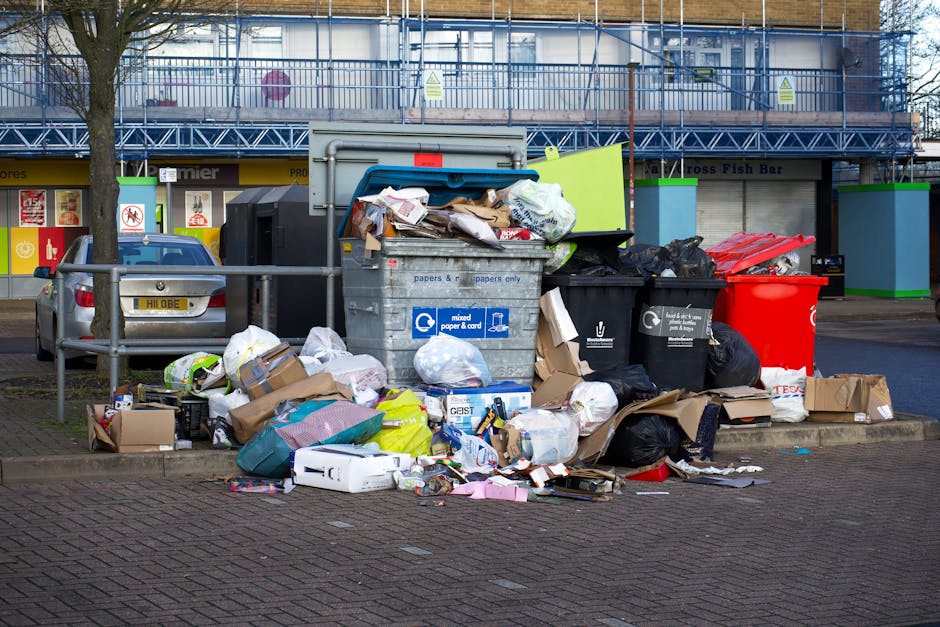
Upton Lane to Plaistow Station: Street-by-Street Waste Tips
Planning a clearance between Upton Lane and Plaistow Station sounds simple until the practical details pile up: awkward parking, mixed rubbish, bulky furniture, garden cuttings, builders' debris, and the question of what can actually go where. This guide to Upton Lane to Plaistow Station: Street-by-Street Waste Tips is designed to make that route easier to manage, whether you are clearing a flat, tidying a shop, dealing with post-renovation waste, or just trying to stop rubbish from spreading from one room to the next.
The goal here is straightforward: help you think street by street, load by load, so your waste plan is safer, cleaner, and more efficient. Along the way, you will find practical advice, compliance reminders, common mistakes to avoid, and sensible next steps if you want professional support such as waste removal in Plaistow, a house clearance service, or help with heavier items through furniture disposal.
Truth be told, waste gets complicated fastest when people treat it as one job instead of several smaller decisions. Break it down properly and the whole route becomes easier to handle.
Table of Contents
- Why Upton Lane to Plaistow Station: Street-by-Street Waste Tips Matters
- How Upton Lane to Plaistow Station: Street-by-Street Waste Tips Works
- Key Benefits and Practical Advantages
- Who This Is For and When It Makes Sense
- Step-by-Step Guidance
- Expert Tips for Better Results
- Common Mistakes to Avoid
- Tools, Resources and Recommendations
- Law, Compliance, Standards, or Best Practice
- Options, Methods, or Comparison Table
- Case Study or Real-World Example
- Practical Checklist
- Conclusion
- Frequently Asked Questions
Why Upton Lane to Plaistow Station: Street-by-Street Waste Tips Matters
This stretch of east London is the kind of area where waste problems can become visible quickly. A few bin bags left too early, a broken sofa on the pavement, or renovation rubble stacked in the wrong place can create friction with neighbours, clutter the street, and make access harder for everyone. That is why a street-by-street approach works so well: it encourages you to match each type of waste with the right route, timing, and handling method.
It also matters because the area is mixed-use. You may have residential flats, terraced homes, local businesses, rental properties, and small refurbishments happening all at once. One property's loft clearance can become another property's parking headache. One office refresh can generate cardboard, desks, and archived paperwork that should not be mixed with general rubbish. If you need a broader support option, the team behind office clearance and business waste removal can help keep that process structured.
The real value is control. Instead of reacting to waste as it appears, you plan for it in chunks: bulky items, recyclables, reusable goods, and non-recyclable residue. That reduces confusion, keeps the space usable, and usually makes the whole job smoother from start to finish.
How Upton Lane to Plaistow Station: Street-by-Street Waste Tips Works
A street-by-street waste plan is not a formal legal process. It is a practical method for organising clearance work by location, access conditions, and waste type. Think of it as building a route that reflects reality on the ground rather than assuming every property can be handled the same way.
On Upton Lane, for example, a front room clearance may be simple enough, but the real challenge may be where the items land before collection day. Near Plaistow Station, access can be tighter, so timing and loading become more important. A basement flat might need shorter carrying distances. A rear garden job might need a clear path through the house. A retail unit may require early morning collection to avoid disrupting customers.
The method works best when you separate the job into decisions:
- What is being removed?
- How much is there?
- Where is it located?
- How will it reach the vehicle?
- What can be reused, recycled, or disposed of responsibly?
Once you answer those questions, you can choose the most sensible route. For some jobs, that might mean a full property clearance. For others, it might be a targeted service such as flat clearance, loft clearance, or garage clearance.
Key Benefits and Practical Advantages
The benefits are not abstract. They show up in time saved, cleaner access, fewer mistakes, and less stress on collection day.
| Benefit | What it means in practice | Why it helps locally |
|---|---|---|
| Better organisation | You sort items before they become a pile in the hallway or front garden. | Useful where space is tight and neighbours are close. |
| Safer handling | Heavy or awkward items are identified early. | Reduces lifting risks on stairs, narrow landings, and busy pavements. |
| Cleaner recycling | Recyclables are separated from mixed waste. | Supports more responsible disposal and clearer load planning. |
| Less disruption | Collections are planned around access and traffic. | Important near station routes and busier side streets. |
| Better value | You avoid unnecessary repeat visits or rushed handling. | Helps when comparing quote options and service levels. |
There is also a quieter benefit: peace of mind. When waste is managed properly, people stop worrying about what has to be moved next, who is responsible, and whether the job will overrun. That is worth a lot on a busy day.
For items like old sofas, wardrobes, chairs, and tables, a dedicated furniture clearance or furniture disposal approach is often more efficient than trying to handle each item separately.
Who This Is For and When It Makes Sense
This guide is useful for a wide range of readers, but especially for anyone dealing with waste in a dense urban setting where access and timing matter.
- Homeowners clearing accumulated clutter or preparing for a move.
- Landlords and agents handling end-of-tenancy clear-outs.
- Tenants leaving a flat with items that no longer fit normal bin collections.
- Local businesses replacing furniture, archive boxes, or office equipment.
- Trades and renovators dealing with builders' debris after a project.
- Garden owners managing cuttings, broken planters, or outdoor waste.
It makes sense whenever the waste is too large, too mixed, or too inconvenient for ordinary bin collection. That includes one-off jobs, end-of-project tidy-ups, pre-sale preparation, probate clearances, and move-out days where everything seems to appear at once. If the property is full of mixed items, a broader home clearance service or house clearance is often the cleanest route.
A practical rule: if you are spending more time moving items around than actually clearing them, the job is probably ready for a structured plan.
Step-by-Step Guidance
Use this process to turn a messy clearance into a manageable sequence. It is deliberately simple, because simple is what gets finished.
- Walk the space first. Check where waste is stored, how bulky it is, and whether there are stairs, tight corners, or blocked exits.
- Separate waste by type. Put furniture, cardboard, bagged rubbish, electricals, green waste, and rubble into distinct groups if possible.
- Identify the difficult items. Mattresses, wardrobes, broken glass, paint tins, and builder's debris all need extra thought.
- Decide what can be reused or donated. A surprisingly large amount of clearance waste is still usable, especially furniture and household items.
- Plan the route out. Through a front hallway? Down a rear passage? Through a lift? Over a shared stairwell?
- Check parking and access. A clear loading point saves time and reduces the chance of double handling.
- Choose the right service. Match the job to the property type and waste type, such as a builders' waste clearance for renovation debris or garden clearance for outdoor waste.
- Confirm timing and expectations. Make sure everyone involved knows when access is needed and what is being removed.
- Clear the route before collection. Move small obstacles, protect flooring if needed, and keep pets or children away from the work area.
- Do a final sweep. Check cupboards, corners, sheds, loft spaces, and behind large furniture so nothing is missed.
That final sweep matters more than people think. The stray item behind a wardrobe is often the one that delays the clean finish. It always seems to hide in the most inconvenient place.
Expert Tips for Better Results
In our experience, the best waste clearances look calm because most of the thinking happened before the vehicle arrived.
1. Match the method to the material
Not all waste behaves the same way. Loose garden cuttings compress well. Flat-pack furniture takes up more space than expected. Brick rubble is heavy even when it looks manageable. Mixed loads can be efficient, but only if the service is prepared for them.
2. Use a "first out, last out" plan for rooms
Clear the easiest items first and leave the awkward items for when the route is open. This is especially useful in flats or terraces where one blocked hallway can throw off the whole job.
3. Think about noise and timing
A quiet early-morning collection can be far less disruptive than a mid-afternoon one in a busy street. If you are near the station or managing a commercial property, timing can help you avoid conflict and keep access easier.
4. Keep one area as a staging point
Where possible, create a temporary holding zone for sorted waste. This keeps the rest of the property usable and makes the final load-up more efficient.
5. Ask about recycling and reuse
If an item can be reused, repaired, or recycled, say so upfront. Services that prioritise recycling and sustainability are often better suited to mixed domestic and commercial clearances.
6. Prepare paperwork for business jobs
If you are clearing a workplace, it helps to know what records, keys, or assets need to be removed before the clearance starts. A structured office clearance is much easier when the responsible person has already identified what stays and what goes.
Common Mistakes to Avoid
Most clearance problems are predictable. The good news is that they are also avoidable.
- Leaving sorting until the day of collection. That leads to delays and rushed decisions.
- Mixing hazardous items with general waste. Paint, solvents, sharp objects, and certain electricals need special care.
- Ignoring access restrictions. Narrow entrances, low ceilings, or no parking can turn a straightforward job into a difficult one.
- Assuming everything can be lifted quickly. Heavy items often need two people and a clear route.
- Forgetting about shared areas. Communal halls, driveways, and pavements should not be treated as storage.
- Failing to check service scope. Some jobs need specialist handling, such as furniture disposal, garage clearance, or builders' waste.
One of the most common mistakes is underestimating volume. A few bags and a sofa can fill a vehicle faster than people expect, especially when there is mixed waste with awkward shapes. That is why careful planning matters more than guesswork.
Tools, Resources and Recommendations
You do not need a warehouse full of equipment to manage clearance well, but a few simple tools make a noticeable difference.
- Heavy-duty gloves for handling rough or sharp materials.
- Sturdy bin bags or rubble bags for separating different waste types.
- Labels or marker pens for marking keep, recycle, donate, and remove piles.
- Measuring tape for checking whether large furniture will fit through doors and stair turns.
- Trolley or sack truck if large items need moving across hard surfaces.
- Protective floor coverings for routes through finished rooms or hallways.
For heavier or more complex jobs, it often makes sense to review service pages before deciding. A furniture disposal service may be the right fit for bulky household items, while a garage clearance is better if the issue is long-ignored tools, boxes, and mixed storage. If the waste has come from landscaping or pruning, garden clearance is usually the more suitable option.
If you want to compare service choices or understand what affects the quote, a look at pricing and quotes can be a useful starting point.
Law, Compliance, Standards, or Best Practice
Waste work in the UK should always be handled responsibly. You do not need to be an expert in waste law to make sensible choices, but you should know the basics.
First, make sure waste is collected and transferred by a legitimate operator. If you are disposing of business rubbish, keep records where appropriate and avoid handing waste to anyone who cannot clearly explain where it goes next. That is especially important for commercial premises, offices, and renovation jobs.
Second, keep hazardous or sensitive materials separate. Items such as chemicals, paint, sharps, confidential papers, or some electrical equipment may need particular handling. If you are unsure, ask before mixing them into a general load.
Third, protect people and property. Safe lifting, clear walkways, and secure loading are not extras. They are part of good practice. If a provider offers clear guidance on health and safety policy and insurance and safety, that is a good sign they take the basics seriously.
Finally, privacy matters when waste includes paperwork, devices, or archived records. If you are clearing a business or home office, do not assume documents can simply be bagged and sent off. That is exactly the kind of detail that causes problems later.
Expert summary: The safest and most efficient waste plans are the ones that separate materials early, protect access, and match the service to the job rather than forcing every load into one category.
Options, Methods, or Comparison Table
There is more than one way to handle waste between Upton Lane and Plaistow Station. The best choice depends on size, urgency, material type, and how much lifting or sorting you want to do yourself.
| Method | Best for | Strengths | Trade-offs |
|---|---|---|---|
| DIY bin-by-bin disposal | Small, regular household waste | Simple and low-cost | Slow for bulky or mixed waste |
| Van-assisted waste removal | Mixed household, office, or bulky items | Flexible and efficient | Needs access planning and loading space |
| Specialist clearance service | Full properties, commercial units, or heavy loads | Fast, structured, less effort for the client | Usually better for larger jobs than tiny ones |
| Targeted disposal service | Single category loads like furniture or garden waste | Focused handling and clearer sorting | May not suit very mixed jobs |
If the waste is mainly domestic clutter, a flat clearance or home clearance approach can be the most practical. If it is more specialised, such as construction offcuts, builders' waste clearance is the more sensible match.
Case Study or Real-World Example
Consider a realistic situation near the route: a small rented flat just off the main stretch has been let to long-term tenants who are moving out. The living room contains a worn sofa, a coffee table, cardboard boxes, and a broken chair. The bedroom has bags of clothing and an old mattress. The hallway is narrow, and the stairwell is shared with other residents.
A rushed approach would try to move everything in one go. That usually means blocking the hallway, creating friction with neighbours, and risking damage to the walls or banister. A better plan is to sort items by type first, remove the smaller bagged waste early, measure the large furniture before lifting, and schedule a collection that avoids peak foot traffic.
In practice, the difference is clear. The property stays usable until the final load, the route is less cluttered, and the removal team can work faster because the items have already been organised. If any reusable furniture is in good condition, it may be worth separating it before the rest goes to disposal. For jobs like this, a focused furniture clearance service can save time and reduce stress.
That kind of practical sequence is exactly what this guide is meant to encourage: smaller decisions made early, so the final collection feels easy rather than chaotic.
Practical Checklist
Use this checklist before you book or begin:
- Walk the property and identify all waste zones.
- Separate bulky items, general rubbish, recyclables, and specialist waste.
- Check for tight access, stairs, and shared areas.
- Measure large furniture or appliances if needed.
- Confirm whether anything can be reused or donated.
- Keep hazardous or sensitive items apart.
- Clear a route from the waste area to the loading point.
- Decide whether you need a whole-property service or a targeted one.
- Review timing, parking, and neighbour impact.
- Read the provider's service and trust pages, including about us, terms and conditions, and contact details if you need clarification.
Keep the checklist realistic. If a task takes five minutes now, do it now. The later version of you will be grateful.
Conclusion
Street-by-street waste planning between Upton Lane and Plaistow Station is really about making sensible decisions early. Once you sort materials, check access, and choose the right clearance method, the whole process becomes easier to control. That matters whether you are clearing a family home, emptying a flat, tidying a shop, or removing builders' debris after a project.
The strongest results usually come from simple habits: separate waste properly, protect the route, match the service to the load, and avoid leaving everything to the last minute. If you do that, you will reduce stress, improve safety, and get a cleaner finish with fewer surprises.
Get a free quote today and see how much you can save.
If you are ready to compare options or move a job forward, start with the most relevant service page and work from there. A clear plan now is almost always cheaper, calmer, and more efficient than a rushed clearance later.
Frequently Asked Questions
What does street-by-street waste planning mean?
It means thinking about waste based on the specific property, access conditions, and waste type rather than treating every job the same. It is a practical way to avoid confusion and delays.
Is this approach useful for flats as well as houses?
Yes. In fact, flats often benefit most because stairs, shared entrances, and limited parking can make a clearance much harder if it is not planned properly.
What type of waste is hardest to remove?
Bulky furniture, mixed builders' waste, and awkward items like mattresses or broken shelving usually create the most complications. They need more space, planning, and handling care.
Do I need a full house clearance or just a smaller service?
If the waste is spread through multiple rooms or includes a wide mix of items, a house clearance may be best. If it is concentrated in one area, a smaller targeted service may be enough.
Can reusable items be separated before collection?
Yes, and it is often a smart move. Separating reusable furniture or usable household items can make the remaining load easier to manage and may support more responsible disposal.
How do I know whether I need builders' waste clearance?
If the waste includes rubble, timber offcuts, plaster, tiles, or similar renovation debris, builders' waste clearance is usually the right category to look at.
What should I do with old office furniture?
Large desks, chairs, cabinets, and storage units are usually better handled as part of an office clearance or dedicated furniture disposal plan rather than mixed into general waste.
Are there safety issues I should think about before collection?
Yes. Heavy lifting, broken glass, sharp edges, awkward stairways, and blocked routes are all common risks. Clear access and proper handling reduce the chance of injury or damage.
How can I make a clearance faster on the day?
Sort items in advance, keep the route clear, label piles if needed, and make sure parking or loading space is available. Preparation usually saves more time than people expect.
What if I am not sure which service is the right one?
Start by identifying the main waste type and the amount involved. Then compare the relevant service pages, such as waste removal, flat clearance, or furniture clearance, and contact the provider if you still need guidance.
Is recycling still possible in mixed loads?
Often, yes. Mixed loads can still include recyclable materials if they are separated sensibly at the start. That is one reason proper sorting is so helpful.
Where can I read more about the company before booking?
It is sensible to review the company's background, service terms, safety information, and quote process first. Useful places to check include about us, insurance and safety, and pricing and quotes.