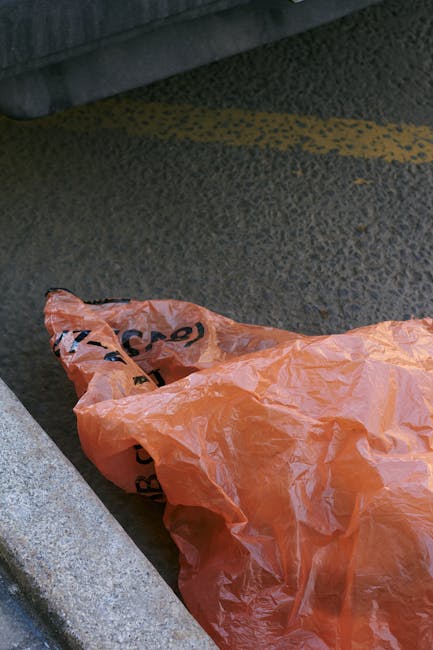
Fines and fly-tipping laws affecting E13 residents: what you need to know to stay compliant
If you live in E13, waste can become a legal issue faster than most people expect. A missed collection, a dumped sofa on the pavement, or a quick favour to a friend can end up involving fines, disputes, and a lot of stress. The rules around fines and fly-tipping laws affecting E13 residents are not there to make life awkward; they exist because careless waste disposal creates real problems on local streets, estates, alleyways, and shared spaces.
This guide breaks the topic down in plain English. You will find out what fly-tipping actually means, how liability is assessed, what residents should do if waste is dumped near their home, and how to avoid the sort of mistakes that can lead to penalties. We will also cover practical steps for lawful disposal, useful prevention habits, and a realistic view of when professional clearance is worth considering. Let's face it, nobody wants to spend a Saturday morning explaining a pile of rubbish to the council.
Table of Contents
- Why fines and fly-tipping laws matter in E13
- How the rules and penalties work
- Key benefits and practical advantages of staying compliant
- Who this is for and when it makes sense
- Step-by-step guidance for residents
- Expert tips for avoiding fines
- Common mistakes to avoid
- Tools, resources and recommendations
- Law, compliance, standards and best practice
- Options, methods and comparison table
- Case study or real-world example
- Practical checklist
- Conclusion
- Frequently asked questions
Why Fines and fly-tipping laws affecting E13 residents Matters
Fly-tipping is not just a problem for fly-by-night offenders chucking things into a dark corner. In an area like E13, where homes, flats, small businesses, garages, and shared access roads sit close together, waste can become everyone's problem quickly. One abandoned mattress or builder's bag can affect neighbours, attract more dumping, block access, and create an impression that an area is neglected. And once that happens, more mess tends to follow. A bit grim, but true.
For residents, the legal side matters because liability can arise even when you did not personally dump anything. If your waste is found elsewhere and there is enough evidence linking it back to you, you may still face enforcement action. That is why record-keeping, caution with private collectors, and basic due diligence are not optional extras. They are the difference between a tidy clear-out and a very expensive headache.
The practical side matters too. Many E13 households are dealing with limited storage, narrow stairwells, shared bins, or awkward access. Those realities can tempt people into shortcuts. But shortcuts are usually where fines, neighbour complaints, and avoidable inconvenience begin. A little planning goes a long way.
Expert summary: If you only remember one thing, make it this: proper waste disposal protects you from enforcement risk, protects your neighbours from dumped rubbish, and saves time later when things would otherwise unravel. It is the boring route, yes, but the boring route is usually the safe one.
How Fines and fly-tipping laws affecting E13 residents Works
In broad terms, fly-tipping means dumping waste somewhere it should not be. That can include a roadside, pavement, park, back alley, communal area, or even the wrong part of a private space if the placement is unauthorised. The word covers more than dramatic van-loads of rubble. A single bag of household waste left in the wrong place can still count.
For E13 residents, enforcement normally depends on a few things:
- Where the waste was found and whether it was left without permission.
- What type of waste it is, such as household rubbish, furniture, garden waste, or builders' rubble.
- Whether there is evidence connecting the waste to a particular person or address.
- Whether a contractor was used and whether that contractor was legitimate.
Enforcement can happen at different levels. A council may investigate dumped waste, issue warning notices, seek fixed penalties, or pursue prosecution in more serious cases. Exact outcomes depend on the facts, the evidence available, and local enforcement practice. So, while people often ask for a simple tariff, the reality is messier than that.
One thing many residents miss is the importance of paperwork. If you hand waste to someone else, keep a receipt, note their details, and make sure they are authorised to take it. That sounds a bit formal for a sofa clearance, but it matters. If the waste later turns up in a lay-by, you want a clear trail showing you acted responsibly.
There is also a distinction between deliberate fly-tipping and accidental non-compliance. For example, overfilling a bin, placing waste out on the wrong day, or leaving items beside a communal bin because they would not fit can trigger complaints or penalties even when the person thought they were being helpful. The law tends to look at the result, not just the intention.
How liability often gets assessed
In practice, liability is usually assessed through evidence and context. A council officer, enforcement team, or investigator may consider the contents of the waste, labels, postal addresses, CCTV, witness reports, and contractor records. If your name, address, or a bill appears in a dumped bag, it can create a problem. Not proof on its own every time, but enough to invite questions.
That is why it is sensible to destroy personal information before disposal and to avoid giving household rubbish to anyone who cannot prove they are operating properly. It sounds obvious after the event. Before the event, people can be surprisingly casual.
Key Benefits and Practical Advantages
Following the rules is not just about avoiding punishment. There are genuine everyday benefits for E13 residents who manage waste properly and keep a simple paper trail.
- Lower risk of fines and enforcement attention.
- Less neighbour friction in shared corridors, estates, and terraced streets.
- Cleaner surroundings, which can improve how your street feels day to day.
- Better control over bulky items such as beds, wardrobes, or old office furniture.
- Fewer surprises if something is later queried by the council.
There is also a quiet financial benefit. A lawful clear-out may cost time and effort, but it can save far more by preventing penalties, repeat collections, and emergency removals. Truth be told, people often underestimate the cost of "sorting it later." Later is where expenses multiply.
If you are clearing a flat, a house, or a loft, using a structured service can also reduce lifting risk and avoid the DIY chain reaction where one item leads to three more. Anyone who has ever opened a garage and discovered a decade of "temporary" storage knows the feeling.
Who This Is For and When It Makes Sense
This topic matters to a wide mix of people in E13. It is not only for homeowners worried about council action. It also affects tenants, landlords, flat residents, local businesses, landlords managing voids, and anyone arranging a clearance after a move or refurbishment.
Residents most likely to benefit from this guidance
- People clearing bulky household items from a flat or house.
- Tenants who need to dispose of waste responsibly at the end of a tenancy.
- Landlords dealing with abandoned items left behind after a move-out.
- Homeowners sorting a garage, loft, shed, or garden area.
- Local business owners disposing of stock, furniture, or old fittings.
- Anyone using a private collector for waste removal and wanting to stay safe.
It makes sense to pay close attention when you have more waste than the normal bin system can handle. That might be after decorating, clearing out furniture, tidying a garden, or removing packaging from a delivery-heavy period. You can try to improvise, but as a rule, the more items you have, the more important the disposal route becomes.
If your situation is urgent, such as a deadline for moving out or a property inspection, the risks go up. In those cases, a rushed decision can lead to poor choices, and poor choices are how residents end up with a dump-and-run collector who never returns calls.
Step-by-Step Guidance
If you want to avoid fly-tipping trouble in E13, use a calm, practical process. It does not need to be complicated.
- Sort the waste by type. Separate household rubbish, recyclable items, furniture, electricals, garden waste, and construction debris if relevant.
- Identify anything with personal data. Tear up post, remove labels where practical, and dispose of sensitive paperwork securely.
- Decide what can be reused, donated, or repaired. Not everything needs to go straight to disposal. Sometimes a working chair or table can simply be passed on.
- Check whether council collection or private clearance is the better fit. Think about volume, urgency, access, and lifting effort.
- Only use a waste collector you trust. Ask basic questions, request a receipt, and keep the details.
- Document what you handed over. A simple note, photo, or invoice can help later if there is ever a query.
- Keep your own property tidy during the process. Do not stack waste in a shared hallway or on the pavement while "waiting for collection." That is exactly how misunderstandings happen.
A useful habit is to take one photo of the waste before it leaves your property and another once it has gone. It takes seconds. On a rainy evening in east London, when the bins are full and the street is half-lit, that little record can feel oddly reassuring.
If the items are bulky or awkward, such as wardrobes, mattresses, office desks, or mixed household loads, it may be more sensible to use a structured clearance service than to try and squeeze everything into a single car run. One overstuffed boot and a loose drawer later, you are still not done.
Expert Tips for Better Results
Here is the part people rarely hear until they have already made a mess of it.
Keep proof of disposal every time
A receipt, invoice, or collection note is not exciting, but it is one of the best defences against future questions. If a contractor cannot provide anything, that is a warning sign.
Do not rely on verbal promises
If someone says, "Don't worry, mate, I'll sort it," that is not the same as evidence they will legally dispose of the waste. Friendly is not the same as compliant.
Separate high-risk items early
Mattresses, builders' waste, fridges, and mixed renovation debris can be more awkward to dispose of than people expect. Start there, because they usually dictate the whole plan.
Use a fast visual check before handing waste over
Make sure the load looks consistent with what was agreed. A mixed pile suddenly containing bags of unknown rubbish is worth questioning. You are entitled to ask.
Choose lawful clearance over hidden shortcuts
For larger household or furniture jobs, a proper service is usually simpler than trying to manage multiple trips yourself. If you are looking at bulky items, services such as furniture disposal and furniture clearance can be a practical route when you need lawful removal without the faff.
And a small human tip: if something feels too cheap, ask why. Sometimes the answer is fine. Sometimes the answer is that someone is avoiding the real cost of disposal. That is not your problem until it becomes your problem.
Common Mistakes to Avoid
Most fly-tipping trouble does not begin with dramatic criminal intent. It begins with "I thought it would be okay." That phrase has caused more headaches than it deserves.
- Leaving bags beside full bins. Even if the bin is full, waste placed next to it may still count as improper disposal.
- Hiring unknown collectors on trust alone. No paperwork, no trail, no protection.
- Ignoring mixed waste rules. Builder's debris, garden cuttings, and household items often need different handling.
- Putting items out too early. Overnight can turn into visible street clutter, and visible street clutter attracts more dumping.
- Assuming a friend's van means legal disposal. A van is not a licence.
- Failing to protect personal information. Old bills, envelopes, and delivery labels can link discarded waste back to you.
- Using shortcuts for business waste. Commercial waste has its own compliance expectations, and a casual approach can lead to trouble.
Anecdotally, the most avoidable problems tend to happen in exactly the same moment: when someone is tired, rushing, and just wants the job done. Understandable, yes. Still risky.
Tools, Resources and Recommendations
You do not need fancy systems to stay on top of waste rules in E13. A few basic tools are enough for most homes and small businesses.
- Phone camera for photos before and after collection.
- Simple notes app for recording the name, date, and contact details of the collector.
- Labels or markers to identify items going to reuse, recycling, or disposal.
- Strong bags and boxes for safe sorting, especially with sharp or broken items.
- Invoice or receipt storage so proof is easy to find later.
For larger clearances, it can help to explore related service pages such as waste removal, home clearance, house clearance, flat clearance, or garage clearance. If your project is smaller, you may only need a targeted pickup rather than a full property clearance.
For households thinking about responsible disposal as part of a wider tidy-up, the company's recycling and sustainability information may also help you think through reuse, recovery, and waste minimisation in a more structured way.
When you are comparing options, do not only ask "How fast?" Ask "What happens to the waste after it leaves?" That question alone filters out a lot of poor choices.
Law, Compliance, Standards, or Best Practice
The legal position is straightforward in principle, even if the facts of individual cases can get messy. Residents are expected to dispose of waste responsibly, avoid littering and illegal dumping, and take reasonable care when handing waste to another party. If you pass waste to someone else, you should be able to show that you acted with due diligence.
Best practice in E13 usually means:
- using authorised disposal routes where possible
- keeping records of any collection or transfer
- checking that a collector is legitimate
- not leaving waste in shared or public spaces unless it is expressly permitted
- separating reusable items from waste wherever practical
- following local collection timing and presentation rules
For businesses, the standard is stricter in everyday practice because commercial waste should be managed with even more care. If you run a shop, office, or small workspace in or around E13, it is worth looking at business waste removal and, for office moves or fit-outs, office clearance. Builders and tradespeople should also be especially cautious with rubble, plasterboard, and mixed site waste. A dedicated builders waste clearance approach is usually the safer route than improvising.
Insurance and safety matter too, especially when heavy lifting, sharp materials, or awkward access are involved. It is sensible to understand how a provider handles safety, and the company's insurance and safety page is a useful place to check those basics. If you want to understand how a provider handles disputes or service concerns, the complaints procedure page is also worth reviewing. That sort of detail feels dry until something goes wrong, then it matters a lot.
Options, Methods, or Comparison Table
Different disposal routes suit different situations. Here is a simple comparison to help you choose sensibly.
| Method | Best for | Pros | Trade-offs |
|---|---|---|---|
| Council collection or local arranged disposal | Smaller volumes, routine waste | Familiar, usually straightforward, clear process | May involve waiting, rules on item type and timing |
| Self-haul to a legal disposal route | Residents with transport and time | Direct control, useful for sorting | Requires vehicle access, lifting, and proof of proper disposal |
| Professional clearance service | Bulky, mixed, urgent, or awkward waste | Saves effort, reduces handling risk, usually provides a clearer paper trail | Cost may be higher than doing it yourself |
| Unverified private collector | Not recommended | Can appear convenient at first | Highest risk of fines, missing paperwork, and illegal dumping |
For many E13 residents, a professional route becomes attractive when the waste is bulky, the staircase is tight, or the deadline is looming. That is where options like pricing and quotes can help you compare the cost of doing it properly versus risking a shortcut.
Case Study or Real-World Example
Imagine a family in E13 clearing a spare room after a long-overdue renovation. They have an old bed frame, a broken wardrobe, some packaging, and a couple of black bags full of mixed household items. At first, they consider leaving the bags beside the communal bins because "they'll be picked up soon anyway."
That is the moment the trouble starts. Neighbours notice, the bags get moved, rain gets in, and the area begins to look untidy. A complaint follows. Now the family is not just trying to clear a room; they are trying to explain why waste was left where it should not have been. No one enjoys that conversation. Nobody.
Instead, if they had sorted the load, photographed it, kept the disposal details, and arranged a lawful clearance, the whole thing would have been calmer. Less mess in the hallway, less risk of a misunderstanding, and a lot less stress. The same applies whether the job is a single sofa, a garage full of junk, or a full house clear-out. The scale changes; the principle does not.
One practical note from real jobs: the waste that looks most manageable at first is often the waste that causes the most delays. A "quick clean" can turn into three trips, two phone calls, and a last-minute panic. That is why planning beats enthusiasm every time.
Practical Checklist
Use this checklist before anything leaves your property.
- Have I sorted the waste by type?
- Have I removed or destroyed personal information?
- Do I know exactly who is taking the waste?
- Have I asked for a receipt or written confirmation?
- Is the waste being moved to a lawful destination?
- Have I checked whether the items need special handling?
- Am I avoiding leaving anything in a shared or public space?
- Do I have a record of the collection date and contact details?
- Would a professional clearance be safer or simpler for this load?
- Have I chosen the route that reduces the chance of fly-tipping problems later?
If you can tick those off, you are in a much better position. Not perfect perhaps, but properly covered, and that is what counts.
Get a free quote today and see how much you can save.
Conclusion
The rules around fines and fly-tipping laws affecting E13 residents are really about responsibility, evidence, and common sense. If you keep your waste moving through lawful channels, ask sensible questions, and hold onto proof, you dramatically reduce your risk. That matters whether you are clearing a flat, sorting a garden, dealing with old furniture, or arranging a business move.
To be fair, most people are not trying to do the wrong thing. They are trying to get a job done quickly and cheaply. But waste has a way of punishing shortcuts. A little structure, a little documentation, and a little caution can save a lot of trouble later on. And once it is done properly, there is a quiet relief to it - the path is clear, the space is cleaner, and you can finally get on with the rest of the day.
Frequently Asked Questions
What counts as fly-tipping for E13 residents?
Fly-tipping usually means leaving waste where it is not allowed, such as on a pavement, in an alley, in a communal area, or on private land without permission. It can involve anything from a single bag to a van-load of rubbish.
Can I be fined if someone else dumps my waste?
Yes, potentially, if the waste can be traced back to you and you did not take reasonable care when handing it over. That is why receipts, collector details, and a paper trail matter so much.
Does leaving rubbish next to a bin count as fly-tipping?
It can, depending on the circumstances. If the waste is left outside the bin rather than placed in it correctly, the council may treat it as improper disposal or an enforcement issue.
What should I do if I find dumped rubbish near my home?
Report it through the relevant local process and avoid moving it yourself if it contains sharp items, liquids, or unknown materials. If it is on your property, take photos and note the location in case it is investigated.
How can I prove I disposed of waste properly?
Keep a receipt, invoice, or written confirmation from the collector, and note the date, items removed, and who collected them. A quick photo before and after can also help.
Is it safer to use a professional clearance service?
Often, yes, especially for bulky or mixed waste. A professional service can reduce lifting risk, save time, and provide a clearer audit trail for disposal.
What kinds of waste are most likely to cause problems?
Bulky furniture, mattresses, builders' debris, garden waste, and mixed black bags are common troublemakers. They are awkward to move, easy to overfill, and more likely to be dumped if not handled properly.
Do businesses in E13 have to follow stricter waste rules?
Businesses are expected to manage waste carefully and keep suitable records. Commercial waste should not be treated casually, and using a proper business waste route is usually the safest option.
Can I put items out on the street for collection whenever I like?
No. Items should only be placed out in line with the agreed collection rules or timing. Leaving waste out early can create a nuisance and may lead to complaints or penalties.
What is the best way to avoid accidental fly-tipping issues?
Use authorised disposal routes, keep records, separate your waste, and never hand rubbish to someone who cannot show they are legitimate. Small habits make a big difference here.
Do furniture and bulky items need special handling?
Often they do. Large items can be awkward, heavy, and difficult to transport safely. Services such as furniture disposal, furniture clearance, home clearance, house clearance, and garage clearance can make the process simpler and more controlled.
Where can I learn more about responsible disposal options?
It helps to review service details, safety information, and sustainability guidance before you book. Pages such as waste removal, recycling and sustainability, pricing and quotes, and about us can give you a clearer picture of how a provider works and what to expect.