Commercial waste pickup for Plaistow shops and offices
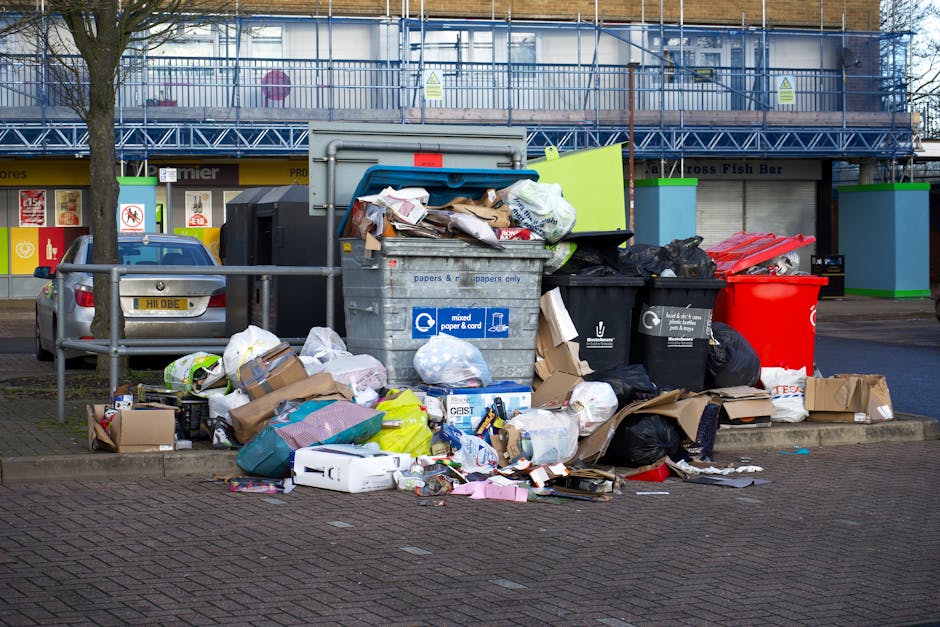
Running a shop or office in Plaistow is busy enough without bins overflowing, cardboard stacking up by the back door, or old furniture lingering in the corner for "just one more week." Commercial waste pickup for Plaistow shops and offices is the practical answer when you need waste removed regularly, responsibly, and without disrupting the working day. Whether you manage a small high-street shop, a shared office, or a busy back-of-house workspace, a good pickup routine keeps things tidy, safer, and far easier to manage.
This guide breaks down how the service works, who it suits, what to look out for, and how to avoid the sort of waste issues that quietly become expensive. If you want a cleaner site, a smoother workflow, and fewer headaches, you're in the right place.
Table of Contents
- Why it matters
- How it works
- Key benefits and practical advantages
- Who this is for and when it makes sense
- Step-by-step guidance
- Expert tips for better results
- Common mistakes to avoid
- Tools, resources and recommendations
- Law, compliance, standards, or best practice
- Options, methods, or comparison table
- Case study or real-world example
- Practical checklist
- Conclusion
- Frequently asked questions
Why Commercial waste pickup for Plaistow shops and offices Matters
Waste management is one of those behind-the-scenes jobs that only gets attention when something goes wrong. A skipped collection can turn into a cluttered stockroom, a blocked fire exit, an unhappy landlord, or a bad smell that customers notice the second they walk in. Not ideal, to say the least.
For Plaistow businesses, commercial waste pickup matters because space is usually tight and turnover is fast. Shops get packaging, display waste, damaged goods, old shelving, and daily general rubbish. Offices generate paper, cardboard, broken chairs, IT waste, and the odd "what do we even do with this?" item after a refit or move. If waste sits around too long, it gets in the way of staff, makes cleaning harder, and creates a poor impression.
There's also a simple operational truth here: tidy premises usually run better. Staff spend less time moving rubbish around, deliveries are easier to receive, and customers or visitors are less likely to see a messy back area. For offices especially, a clean environment tends to make the whole place feel more settled. You notice it on a Monday morning. The difference is real.
If your business has a broader clearance project alongside regular rubbish removal, you may also find it useful to look at business waste removal and the wider waste removal service options available for local premises.
How Commercial waste pickup for Plaistow shops and offices Works
At its core, the process is straightforward. You identify what needs removing, arrange a suitable pickup, and the waste is collected, sorted, and taken away for disposal or recycling. The exact setup depends on the type of business waste, how often it builds up, and whether you need recurring collections or a one-off clear-out.
In practice, commercial waste pickup often follows one of these patterns:
- Regular scheduled pickup for ongoing rubbish, cardboard, packaging, and office waste.
- Ad hoc collection when you have a sudden pile-up after a stock change, refurbishment, or office declutter.
- Mixed waste clearance when the load includes a bit of everything and needs sorting on site.
- Bulky item removal for desks, chairs, filing cabinets, fixtures, or broken shop fittings.
A good provider will usually assess access, load size, waste type, timing, and any special handling needs. That matters more than people think. A third-floor office with narrow stairs is not the same as a ground-floor shop with rear access, and the collection plan should reflect that. Simple enough, but surprisingly often overlooked.
For businesses dealing with old office furniture alongside everyday rubbish, it can help to combine collections with office clearance or, where items are mainly furniture-related, furniture disposal.
Collection timing is another practical point. Some businesses need early-morning or end-of-day pickups to avoid interrupting customers. Others prefer a quiet midweek slot. The best routine is the one that fits your trading pattern instead of fighting it. That sounds obvious, but it's where many waste arrangements go a bit sideways.
Key Benefits and Practical Advantages
Commercial waste pickup is not just about getting rid of rubbish. Done properly, it improves the way your premises work day to day.
- Cleaner premises: Less clutter in stock areas, kitchens, corridors, and back offices.
- Better safety: Waste piles can create trip hazards, block access routes, or attract pests.
- Improved presentation: Customers, clients, and staff see a more professional environment.
- Less disruption: Regular collections prevent waste from building up into a bigger job.
- Time savings: Staff can focus on serving customers or doing office work instead of managing piles of rubbish.
- More predictable workflow: Collections that follow a routine are easier to budget for and plan around.
There's also the less visible benefit of peace of mind. When waste is handled consistently, you don't have that nagging feeling that something is growing behind the shop counter or in the meeting room cupboard. It sounds minor. It isn't, really.
For businesses looking to improve environmental performance as well as cleanliness, it may be worth reviewing the company's approach to recycling and sustainability. Better sorting at source often means less waste goes to landfill and more materials are handled appropriately.
| Benefit | What it means in daily practice | Typical impact |
|---|---|---|
| Less clutter | Rubbish, boxes, and broken items leave the workspace more quickly | Easier movement, cleaner appearance |
| Safer access | Clear exits, walkways, and storage areas | Reduced trip and blockage risk |
| Better efficiency | Staff spend less time dealing with waste | Smoother operations |
| More flexibility | Pickup can be arranged around opening hours or office use | Less interruption |
Who This Is For and When It Makes Sense
Commercial waste pickup makes sense for any Plaistow business that generates waste more quickly than a standard bin arrangement can comfortably handle. That includes small independent shops, multi-room offices, salons, cafes, estate agents, trade counters, storage-based businesses, and premises that get regular deliveries.
It tends to become essential in a few common situations:
- you are trading through seasonal peaks and waste volume keeps rising
- you've had a refit, move, or stock reset
- you are replacing office furniture or shelving
- you don't have enough storage for bags, cardboard, or bulky items
- your staff are spending too much time moving waste instead of doing their jobs
A shop with lots of packaging waste may benefit from routine collections, while an office might only need pickups after desk changes, archive clearance, or a tidy-up. There is no one-size-fits-all answer. Honestly, that's part of the point. Waste pickup should fit the business, not the other way round.
If your premises also need a one-off clean-out of furniture, fixtures, or mixed unwanted items, the more focused office clearance service can be a better match than a standard bin-emptying arrangement.
In Plaistow, local businesses often have to work around limited kerbside space, shared access, and the usual London background noise of deliveries, traffic, and people coming and going. Pickup plans need to be realistic about that. A clever schedule is worth more than a fancy promise.
Step-by-Step Guidance
If you're arranging commercial waste pickup for the first time, here's a practical way to approach it without making the process harder than it needs to be.
- List the waste types. Separate general rubbish, cardboard, office paper, old furniture, and any special items.
- Estimate the volume. Think in bags, boxes, bins, or bulky items rather than vague guesses.
- Check access. Note stairs, narrow entrances, loading bays, restricted parking, or rear access.
- Choose timing. Decide whether you need recurring pickup or a one-off collection.
- Prepare the items. Bundle cardboard, remove obvious contaminants, and keep the load in an accessible spot.
- Confirm what can go. Not every item is treated the same, especially electricals or hazardous materials.
- Arrange the collection. Choose a time that causes the least disruption.
- Review after pickup. If waste builds up again quickly, adjust the schedule before the problem returns.
A small but useful habit: keep a simple log for a few weeks. Nothing elaborate. Just note what kind of waste appears, how fast it builds up, and where it comes from. That makes future collections much easier to plan, and yes, it stops the whole thing becoming a guessing game.
Expert Tips for Better Results
After enough clearance jobs, a few patterns become obvious. The businesses that manage waste well usually do the same small things consistently.
- Separate waste at source. Cardboard, general rubbish, and reusable items should not all be thrown together if it can be avoided.
- Use one waste point. Scattering waste across a building leads to missed items and messy collection days.
- Keep access clear. A tidy route saves time, especially when collections happen in a rush between customers.
- Schedule around delivery days. Waste pickup and incoming stock can clash badly if nobody has thought it through.
- Review after busy periods. Seasonal spikes, promotions, and office moves often mean the usual plan needs a tweak.
A good rule of thumb: if your team is regularly saying "we'll sort that later," the waste system is already too loose. That's when a proper pickup routine starts paying for itself.
Also, don't underestimate the value of a short pre-collection tidy. A few extra minutes bundling cardboard or stacking items neatly can make the job quicker and less disruptive. Small thing, big difference.
Common Mistakes to Avoid
Waste issues often come from the same handful of mistakes. They're easy to make, especially in busy premises where everyone is just trying to keep up.
- Waiting too long: letting waste pile up until it becomes a bigger, more awkward job.
- Mixing everything together: which can make sorting slower and the collection less efficient.
- Ignoring access problems: like blocked entrances, poor parking, or storage rooms that are too full to move safely.
- Forgetting bulky items: old chairs, cabinets, and broken fixtures often get left behind because they are not "just rubbish."
- Not planning for busy periods: seasonal trade, office moves, and refurbishments need extra thought.
One common mistake is treating all commercial waste as identical. It isn't. A few bags of bin waste are one thing; a stacked load of old desks and mixed materials is another altogether. The more clearly you define the job, the less likely it is to become messy or delayed.
Tools, Resources and Recommendations
You do not need complicated systems to manage commercial waste well. In fact, simple tools usually work best.
- Waste log sheet: note dates, waste type, and approximate volume.
- Labelled bins or zones: helps staff sort waste properly without much training.
- Cardboard stacks or cages: keeps recyclable material tidy and easier to collect.
- Clear storage plan: gives waste a temporary home without blocking working space.
- Collection checklist: makes sure nothing gets left in a back room by mistake.
For businesses upgrading their workspace, it can also be useful to align waste pickup with furniture changes or disposal plans. If you are replacing desks, chairs, or storage units, the related furniture clearance service can help avoid a second round of disruption. And if the issue is mixed rubbish rather than just furniture, the broader business waste removal option is often the more practical route.
On the admin side, make sure the paperwork for service agreements, collection timing, and waste responsibilities is clear. It doesn't need to be dramatic. Just clear. That's usually enough.
Law, Compliance, Standards, or Best Practice
Waste handling for commercial premises should always be approached carefully. In the UK, businesses have a duty to manage their waste responsibly, and that usually means using a legitimate waste carrier, keeping waste separate where needed, and avoiding fly-tipping risks. Exact responsibilities can vary depending on the waste type and the business setup, so if something unusual is involved, it is worth checking before the collection day rather than after.
Some best-practice points are straightforward:
- keep waste on your premises secure until it is collected
- do not mix ordinary waste with items that need special handling
- make sure collections do not block fire exits or access routes
- store recyclable materials neatly so they can be handled properly
- retain any records or confirmation that help show waste was collected responsibly
For offices and shops alike, the practical aim is simple: reduce risk and keep the premises compliant with everyday standards of safety and good housekeeping. If your business operates with staff, visitors, or customers on site, tidy waste management is part of the overall duty of care. No drama, just good practice.
If you want to understand the company's own approach to safety and responsibility, the pages on health and safety policy, insurance and safety, and modern slavery statement are useful trust signals to review.
Options, Methods, or Comparison Table
Different businesses need different waste solutions. Here's a simple comparison that may help you decide what fits best.
| Option | Best for | Strengths | Watch out for |
|---|---|---|---|
| Regular commercial pickup | Shops and offices with ongoing waste | Predictable, tidy, easy to budget for | Needs accurate scheduling |
| One-off waste collection | Moves, refits, clear-outs, seasonal peaks | Flexible and fast | Less efficient if used repeatedly for routine waste |
| Office clearance | Desks, chairs, cabinets, mixed office items | Good for larger declutters | May be more than you need for simple bagged waste |
| General waste removal | Mixed rubbish from commercial spaces | Flexible across different waste types | Still needs sorting and access planning |
Truth be told, many businesses use a mix of these over the year. That's normal. A shop may rely on regular pickup most weeks, then switch to a one-off clearance after a refurb. An office might only need a full clearance every now and then, but still generate routine waste in between. There is no prize for overcomplicating it.
Case Study or Real-World Example
Imagine a Plaistow office with eight staff, a small kitchen, two meeting rooms, and a storage cupboard that quietly becomes a graveyard for old paper, broken chairs, and packaging from deliveries. At first, the waste is manageable. Then someone orders replacement monitors, a set of desks arrives, and suddenly there are cardboard boxes leaning against a wall, old cables in a drawer, and a pile of furniture nobody wants to deal with.
What usually helps in that situation is not a heroic clean-up at the end of the month. It is a simple, staged approach:
- separate recyclable cardboard immediately
- move reusable items into one corner
- identify bulky furniture for collection
- arrange pickup at a quiet time of day
- follow up with a lighter routine waste plan
The result is often a better-looking office by lunchtime, fewer complaints from staff, and no awkward "where do we put this now?" moment later on. A local shop has a similar story, only with extra packaging and less spare room. Different layout, same lesson: waste works best when it is handled before it spreads.
And yes, it can feel a bit dull to sort boxes and broken bits. But a clean back area is one of those things that quietly changes the whole feel of a business. You walk in, and the place just breathes easier.
Practical Checklist
Use this checklist before your next collection. It keeps things simple and avoids the classic last-minute scramble.
- Waste type identified clearly
- Bulky items listed separately
- Cardboard flattened and bundled
- General rubbish bagged or contained
- Access route kept clear
- Pickup time fits trading hours
- Any special items flagged in advance
- Staff know where to place waste before collection
- Paperwork or notes are stored safely
- Next pickup reviewed after the job is done
Expert summary: the best commercial waste pickup is the one your team barely has to think about. It arrives on time, suits the space, handles the right materials, and leaves the premises cleaner than it found them.
Get a free quote today and see how much you can save.
Conclusion
Commercial waste pickup for Plaistow shops and offices is really about control. Control over clutter, over timing, over safety, and over how your business feels to the people working in it. If the waste is under control, the day tends to run better. That's the honest version.
Whether you need regular collections, a one-off clearance, or a smarter mix of both, the key is to match the service to the space and the pace of your business. Keep it practical, keep it tidy, and keep it realistic. That combination goes a long way.
When the back room is clear and the bins are finally where they should be, the whole place feels lighter. A small win, maybe. But in a busy shop or office, those matter more than people admit.
Frequently Asked Questions
What is commercial waste pickup for Plaistow shops and offices?
It is a waste collection service designed for business premises that generate more rubbish, packaging, office waste, or bulky items than a normal domestic arrangement can handle comfortably.
How often should a shop or office arrange pickup?
That depends on volume. Some businesses need weekly or regular collections, while others only need a one-off pickup after a refit, move, or seasonal clean-out. The right frequency is the one that stops waste from building up.
Can mixed office waste be collected together?
Often, yes, but it helps to separate what you can first. Cardboard, paper, furniture, and general rubbish may be handled differently, so clearer sorting usually makes the collection easier and more efficient.
What happens to bulky office furniture?
Bulky items such as desks, chairs, cupboards, and shelving are usually collected as part of an office clearance or furniture disposal arrangement, depending on the type and condition of the items.
Is commercial waste pickup suitable for small shops?
Absolutely. Small shops often benefit the most because space is tight and waste can affect presentation quickly. Even modest amounts of waste can become a nuisance if left too long.
Do I need a one-off service or a regular pickup plan?
If your waste builds up gradually each week, regular pickup usually makes more sense. If you are clearing out after a project, refit, or stock change, a one-off collection is often the better option.
How do I prepare waste before collection?
Flatten cardboard, bag loose rubbish, group bulky items together, and make sure the route to the collection point is clear. That small bit of prep makes a big difference on the day.
What are the biggest mistakes businesses make with waste pickup?
The most common ones are waiting too long, mixing waste types, blocking access routes, and forgetting to plan for busy periods. These issues are easy to avoid once you spot them.
Can waste pickup be arranged around opening hours?
In many cases, yes. It is often sensible to schedule collections before opening, after closing, or during quieter periods so staff and customers are not disrupted.
Why does compliance matter for business waste?
Because businesses are responsible for how their waste is stored, handled, and removed. Good practice reduces safety risks and helps avoid problems such as blocked exits, poor housekeeping, or improper disposal.
What if my office is being refitted or moved?
That is a perfect time to arrange a larger clearance or mixed waste collection. Refits and moves usually produce more waste than people expect, especially once old furniture and packaging start piling up.
Where can I learn more about related services?
If your needs go beyond routine waste pickup, it may help to review business waste removal, office clearance, and waste removal to see which option fits your premises best.